

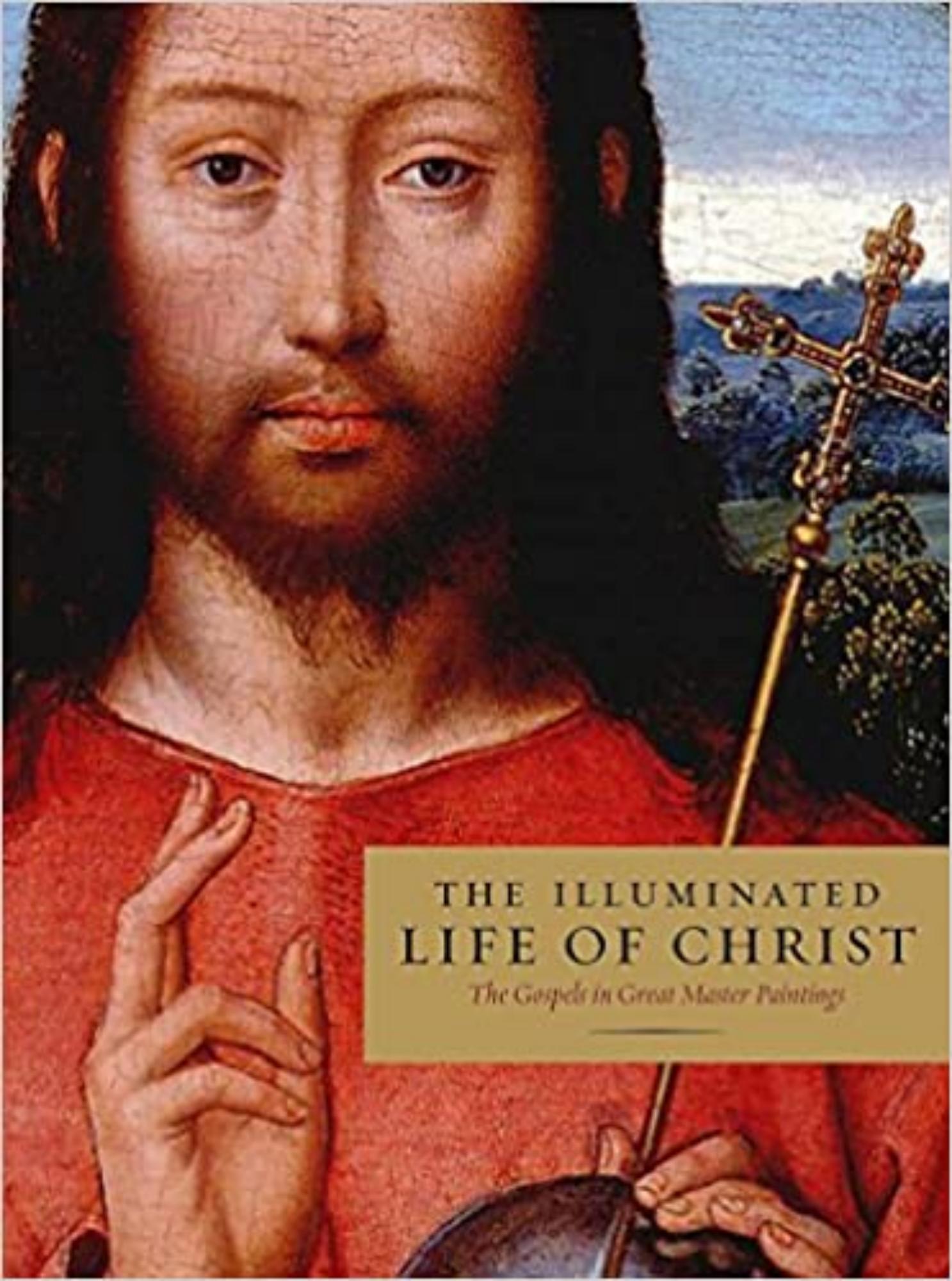
The Illuminated Life of Christ brings together the words of the Gospels and the art of the great masters in a beautiful jewel of a book that is printed with a silk cover, a flexible binding, a ribbon marker, and produced in the style of a unique, illuminated keepsake.
Eighty passages from the Bible and 120 works of art printed in five colors, including simulated gold ink, recall the life of Jesus paired with Leonardo Da Vinci's Last Supper, Venziano's Walking on Water, Van der Weyden's Annunciation, Raphael's Madonna and Child, Gerard van Honthorst's Adoration of the Shepherds, and more.
Mark A. Noll presents a fresh and accessible history of Protestantism from the era of Martin Luther to the present day. Beginning with the founding of Lutheran, Reformed, Anglican, and Anabaptist churches in the sixteenth-century Reformation, he also considers the rise of other important Christian movements like Methodism and Pentecostalism. Focussing on worldwide developments, rather than just the familiar European and American histories, he considers the recent expansion of Protestant movements in Africa, China, India, and Latin America, emphasising the on-going and rapidly expanding story of Protestants worldwide. Noll examines the contributions from well-known figures including Martin Luther and John Calvin, along with many others, and explores why Protestant energies have flagged recently in the Western world yet expanded so dramatically elsewhere. Highlighting the key points of Protestant commonality including the message of Christian salvation, reliance on the Bible, and organization through personal initiative, he also explores the reasons for Protestantism's extraordinary diversity.
184 pages
What if God has purposed your marriage for something so much more than happily ever after?
Since the very beginning, God's design for marriage is for husbands and wives to be ambassadors of holy love to a hurting world. Still, so many couples stop short at happy and wonder why they feel unsatisfied. Rather than "you and me against the world," God calls each couple to the rich and meaningful mission of "you and me for the world."
Aaron and Jennifer Smith, popular marriage bloggers at HusbandRevolution.com and UnveiledWife.com, transparently share their journey from a marriage in crisis to a marriage built on Christ's redemptive love. Through fresh biblical insight and intimate stories of their own struggles and victories, this book will guide you toward a God-centered, ministry-minded, and thriving marriage. In these pages you will . . .
Discover the signature marks of a marriage after God
Find principles for building an unshakable marriage foundation
Learn how to let God's story take the lead in your love story
Recognize the tools God has already equipped you with for a missional life together
Filled with helpful illustrations, this thorough and practical book will empower you and your spouse to dream, decide, and do as you step hand in hand into God's ultimate purpose for your marriage.
Your oneness is also meant for witness. God has purposed your remarkable, romantic, and redemptive relationship to be a powerful light to a dark and hurting world. This is your invitation to marriage as God intended--a life-saving, hope-inspiring, and transforming force of God's love.
240 pages
Increasingly, Western culture embraces confusion as a virtue and decries certainty as a sin. Those who are confused about sexuality and identity are viewed as heroes. Those who are confused about morality are progressive pioneers. Those who are confused about spirituality are praised as tolerant. Conversely, those who express certainty about any of these issues are seen as bigoted, oppressive, arrogant, or intolerant.
This cultural phenomenon led the compilers of the Oxford English Dictionary to name "post-truth" their word of the year in 2016. How can Christians offer truth and clarity to a world that shuns both?
By accurately describing the Culture of Confusion and how it has affected our society, author Abdu Murray seeks to awaken Westerners to the plight we find ourselves in. He also challenges Christians to consider how they have played a part in fostering the Culture of Confusion through bad arguments, unwise labeling, and emotional attacks.
Ultimately, Saving Truth provides arguments from a Christian perspective for the foundations of truth and how those foundations apply to sexuality, identity, morality, and spirituality. For those enmeshed in the culture of confusion, the book offers a way to untangle oneself and find hope in the clarity that Christ offers.
This classic book asks what it is to know Jesus. It will enable thinking Christians to ask new questions about their faith, their reading of the New Testament, and the theology of redemption.
128 pages
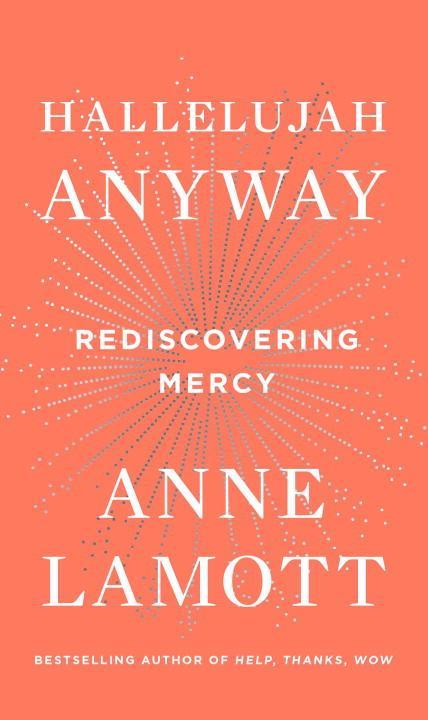
"Mercy is radical kindness," Anne Lamott writes in her enthralling and heartening book, Hallelujah Anyway. It's the permission you give others—and yourself—to forgive a debt, to absolve the unabsolvable, to let go of the judgment and pain that make life so difficult.
In Hallelujah Anyway: Rediscovering Mercy Lamott ventures to explore where to find meaning in life. We should begin, she suggests, by "facing a great big mess, especially the great big mess of ourselves." It's up to each of us to recognize the presence and importance of mercy everywhere—"within us and outside us, all around us"—and to use it to forge a deeper understanding of ourselves and more honest connections with each other. While that can be difficult to do, Lamott argues that it's crucial, as "kindness towards others, beginning with myself, buys us a shot at a warm and generous heart, the greatest prize of all."
Full of Lamott’s trademark honesty, humor and forthrightness, Hallelujah Anyway is profound and caring, funny and wise—a hopeful book of hands-on spirituality.
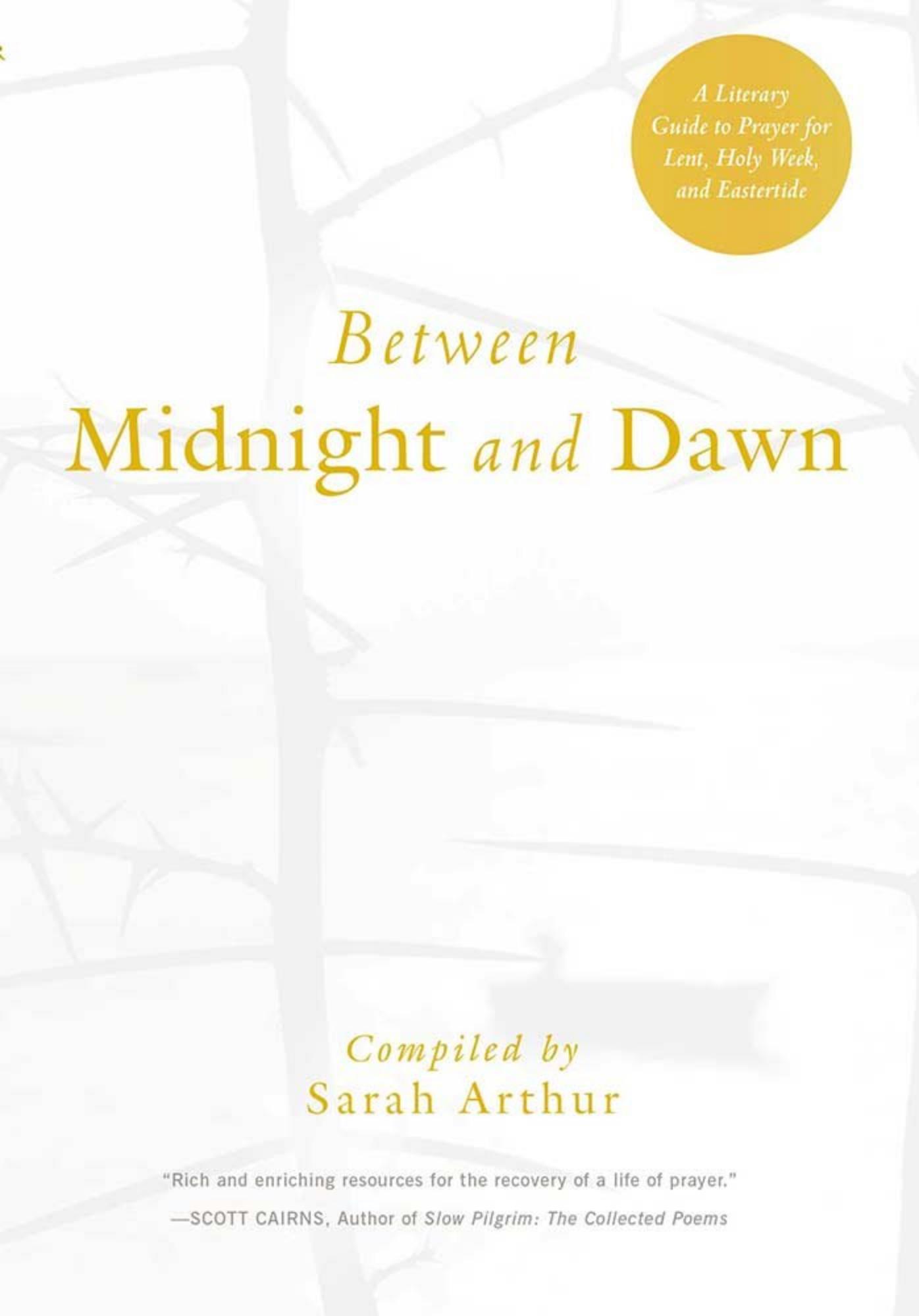
Join poets and novelists from across the centuries as you travel through the liturgical seasons of Lent, Holy Week, and Eastertide. With the popular collections At the Still Point: A Literary Guide to Prayer in Ordinary Time and Light Upon Light: A Literary Guide to Prayer for Advent, Christmas, and Epiphany, this third collection of daily and weekly readings from classic and contemporary literature completes the church calendar. New voices such as Chimamanda Ngozi Adichie and Benjamín Alire Sáenz join well-loved classics by Dostoevsky, Rossetti, and Eliot. Light in the darkness, illuminating the soul. Between Midnight and Dawn: A Literary Guide to Prayer for Lent, Holy Week, and Eastertide will use imagination to draw you deeper into God’s presence. Read it through, then use it as a resource for years to come.
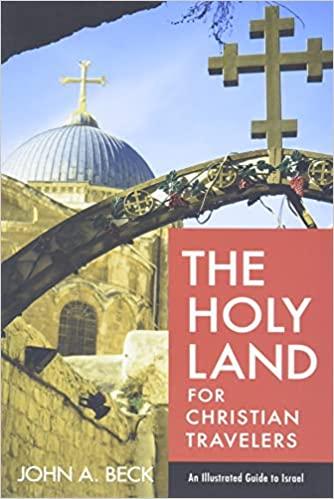
A trip to the Holy Land is on the bucket list of many Christians. But planning a meaningful trip in a place so filled with significant sites is an imposing task. Most travel guides are not prepared to link the Bible and land in an accurate and meaningful way because they are written for people of all faiths. So how can a Christian traveler prepare a trip that will illuminate God's Word and reveal the Lord's presence?
In The Holy Land for Christian Travelers, John A. Beck provides a guide to the Holy Land for Christians with explanations of the biblical significance of important sites. The entries provide key Scripture references for reflection and a guide to the land that will encourage communion with God and a genuine spiritual experience for travelers as they walk in the footsteps of Jesus. A trip to the Holy Land can be a worship-filled, once-in-a-lifetime spiritual journey. This book puts a biblical scholar and experienced Holy Land guide at the reader's side.
256 pages
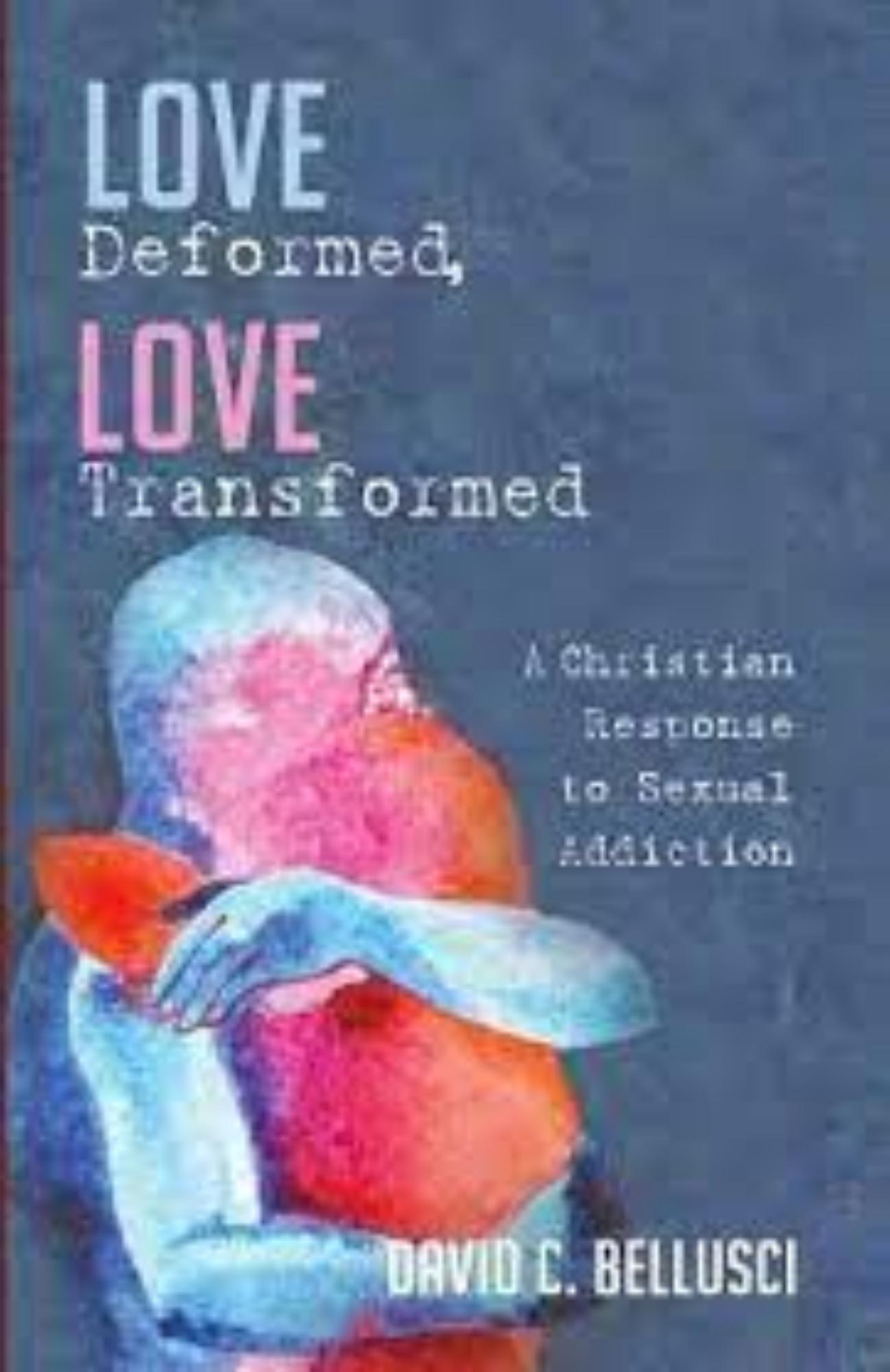
How is human love deformed in sexual addiction? How can human love be transformed? David Bellusci considers three signs of addiction and then, by looking at neurotic tendencies within a psychoanalytical framework, as well as the neurobiological nature of sexual pleasure, explores the causes of sexual addiction. Behavioral expression of addiction is examined in pornography, masturbation, cybersex, and multiple sexual partners.
Working within a Christian anthropology drawn from Thomas Aquinas, Bellusci considers the morality of pleasure; how pleasure suggests an antinomy of satisfaction-dissatisfaction. He explores how the fallen human condition effects the will, and the consent to sin. He concludes with a focus on how the addict may be supported, at the psychological, relational, and spiritual levels.
138 pages
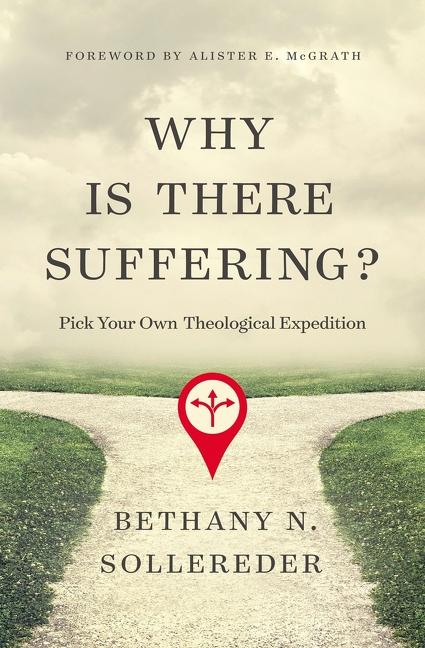
Your journey begins. The road before you is smooth and straight. You walk for some time, recalling your experiences that call into question the deep realities of life. Up ahead, you can see the road branching in three directions. . .
In Why Is There Suffering? you, reader, control the route you take through its "choose-your-own-path" chapters, asking questions and exploring different theological possibilities on the big topics of:
God's existence
God's nature
The nature of suffering
Evil
Pain
Final destiny
Taking an intentionally light-hearted approach to a heavy topic this book presents an illustrative introduction to the problem of suffering and the most commonly offered responses to it. Along the road, you'll face multiple possibilities regarding suffering and its theological explanations, and you'll make choices about which one you find most plausible, skipping to that section of the book. Each decision you make leads to further complexities and new choices that reveal how theological beliefs lead to certain conclusions.
This book does not offer final answers. Instead, it introduces the "theological" possibilities—both Christian and non-Christian—that you can explore and wrestle with to make informed decisions about your beliefs and clearly see the road you've taken to reach such beliefs.
You are, of course, in control of the paths you take through these pages. You decide which explanations work. You can always go back and see what would change if you'd taken a different path. And, who knows. . .you may find that certain pathways resonate with your experiences in ways you didn't expect.
192 pages
Whether you work as a plumber or politician, manager or metal-worker—where you work is your mission field. Believe it or not, your business was created for Kingdom business. There is a level of fruitfulness and authority in which God wants you to operate. This life-transforming message has been newly revised and expanded to provide you with fresh insights and revelation on how you can be a person of tremendous influence in the arena where God has placed you. This Kingdom leadership playbook promises to catapult you to the next level of your career, profession, business, or ministry. Learn how to build your faith in God and understand His perfect plan for your life. Your faith was never meant to be separated from your work or business life. Using both scripture and personal stories, Bill Winston will show you how God is restoring this unbeatable team of kings and priests to advance His Kingdom and transform the marketplace through the superior principles of faith and fruitfulness.
374 pages
The expression churchianity was coined by C. S. Lewis. Isn t it a word that describes the parable of Christ or rather, the event in which the Lord Jesus Christ pronounced his condemnation on the barren fig tree? Had it been barren, leafless, dead, Christ would not have condemned it. He might even have spoken a word of life and brought it into newness. But this tree stood there gloriously adorned with leaves, telling everyone around that it was enough to come up to it in order to find a harvest of ripe fruits. But there was nothing but leaves. The appearance was there; of reality, there was nothing. The words spoken by Christ are frightening. He said, there will never be a fruit on your branches until the end of the world.
134 pages
A bold, historical, robust approach to reading Scripture and encountering Jesus anew
No one expects to be surprised. Yet biblical interpretation can do exactly that. Christians expect to see Jesus as they read the Bible, but when and how Jesus actually speaks through Scripture can still surprise us!
Drawing on the early church’s theological giants?Origen, Augustine, Gregory the Great, and more from the historical cloud of witnesses?author Jason Byassee models how we can recover ancient Christians’ multiple ways of reading the Bible to our benefit. As Byassee says, God himself is Jewish, Catholic, and Pentecostal?so much larger than our own little corner on the truth?and this book offers readers a refreshingly enhanced vision of the Bible and of Jesus himself.
Catholic theology, philosophy, and spirituality have long taught that the joy of Christian contemplation is to delight in the splendor of the divine love for us in all things. John Navone explains that Happiness Itself - God - is forever knowing its truth and loving its goodness and delighting in its beauty. The gift of the beatific vision is communion with Happiness Itself.
104 pages
Popular pastor Chad Veach casts a vision for a future beyond what most dare to imagine and guides us all toward the abundant plans God has for his children.
Are you disappointed with your life? Do you feel like you’ll never accomplish anything remarkable? Fear not: you are in the perfect place for God to enter with his plan! In fact, your disappointments and failures are merely minor setbacks preceding a major comeback.
In Faith Forward Future, Chad Veach presents the proof that God has always known you, has always cared, and is waiting to give you his better dream for your life. When you hear his words and release your broken dreams, you’ll receive all that God has in store and be enabled to reach your best possible tomorrow. With powerful Bible teaching and practical guidance, Veach invites you to stop limiting tomorrow’s possibilities by learning how to ask God for big things today
dismiss the distractions of regret by being empowered to use your past for good, and
redefine success by joining God in writing the remarkable story of your life!
With a balance of wisdom, candor, and scholarly rigor the beloved archbishop emeritus of Philadelphia takes on life’s central questions: why are we here, and how can we live and die meaningfully?
In Things Worth Dying For, Chaput delves richly into our yearning for God, love, honor, beauty, truth, and immortality. He reflects on our modern appetite for consumption and individualism and offers a penetrating analysis of how we got here, and how we can look to our roots and our faith to find purpose each day amid the noise of competing desires.
Chaput examines the chronic questions of the human heart; the idols and false flags we create; and the nature of a life of authentic faith. He points to our longing to live and die with meaning as the key to our search for God, our loyalty to nation and kin, our conduct in war, and our service to others.
Ultimately, with compelling grace, he shows us that the things worth dying for reveal most powerfully the things worth living for.
257 pages
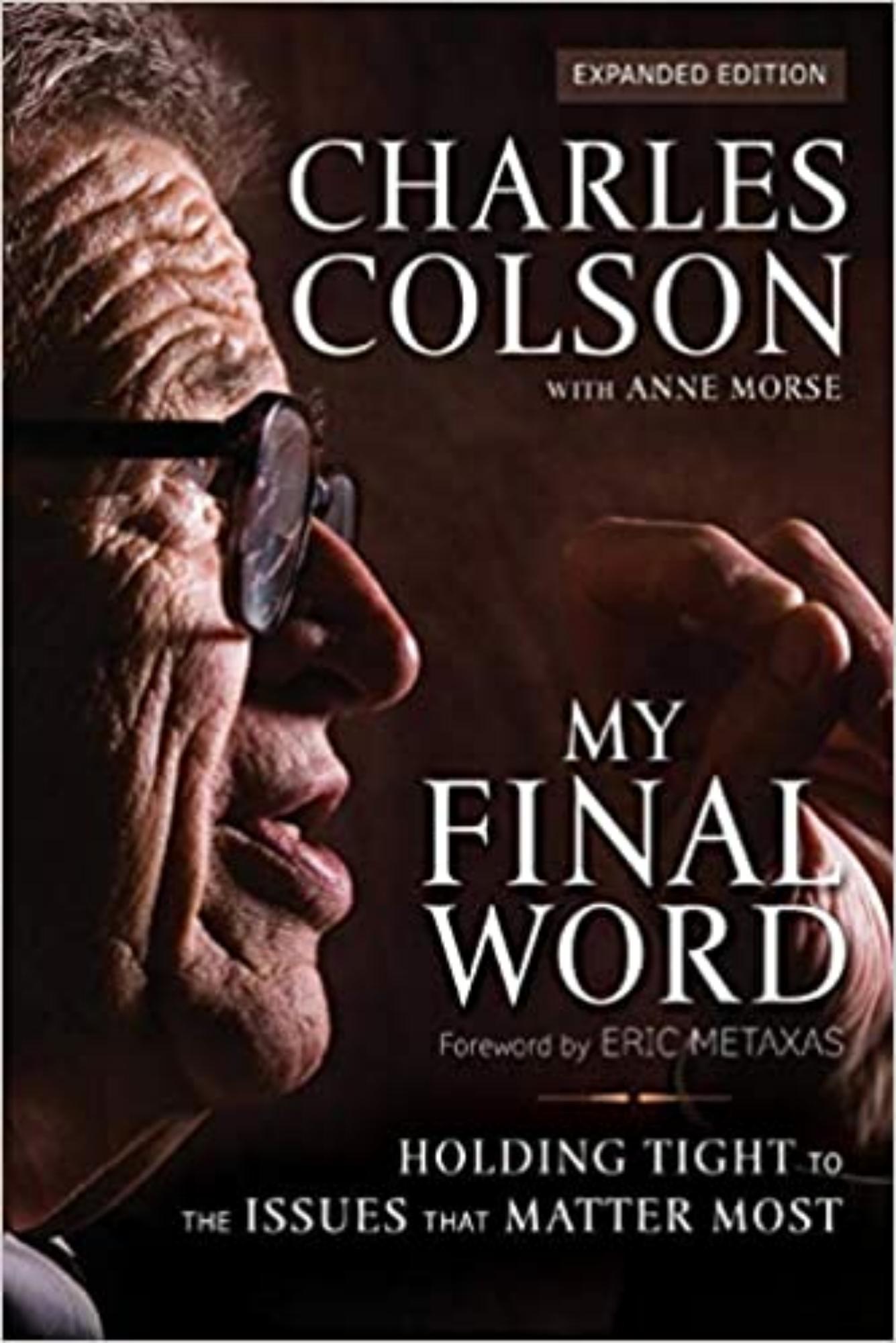
One of the most respected and influential Christian leaders of the last decades, Chuck Colson engaged millions through his books, public speaking, and radio broadcasts.
In My Final Word, longtime Colson coauthor Anne Morse has selected and arranged pieces Colson wrote mostly during the last ten years of his life, spotlighting what he saw as key topics of ongoing importance for Christian cultural engagement. Some of these issues include:
- crime and punishment
- natural law
- Islam
- same-sex marriage
- the persecution of Christians
- and more
This paperback edition also contains a new chapter not in the hardcover, Colson's final thoughts on poverty.
Longtime readers and new readers alike will be struck by the power and immediacy of Colson's arguments. My Final Word is a fitting end to Colson's distinguished publishing career, a behind-the-scenes encounter with an influential thinker, and a needed call to an ongoing and relevant Christian public witness.
Two of G. K. Chesterton’s most important and well-known works are contained in this volume: Heretics, and Orthodoxy. In the first of these, Chesterton addresses the intellectual movements of his time that he considered most prominent and destructive. Chesterton confronts relativism, individualism, neo-paganism, and other trends of the modern period, paying special attention to the artists and intellectual elite of his time. He writes in detail about events of his time that were affected by these viewpoints. Heretics begins and ends with chapters on orthodoxy, anticipating the content of his most famous book—Orthodoxy, a classic that is part memoir, part apologetic. It exhibits Chesterton at his finest—a combination of literary wit, theological acumen, and pointed cultural critique. The two works complement each other perfectly, providing an accessible entry point to the battleground of truth and falsehood. Lexham Classics are beautifully typeset new editions of classic works. Each book has been carefully transcribed from the original texts, ensuring an accurate representation of the writing as the author intended it to be read.
326 pages
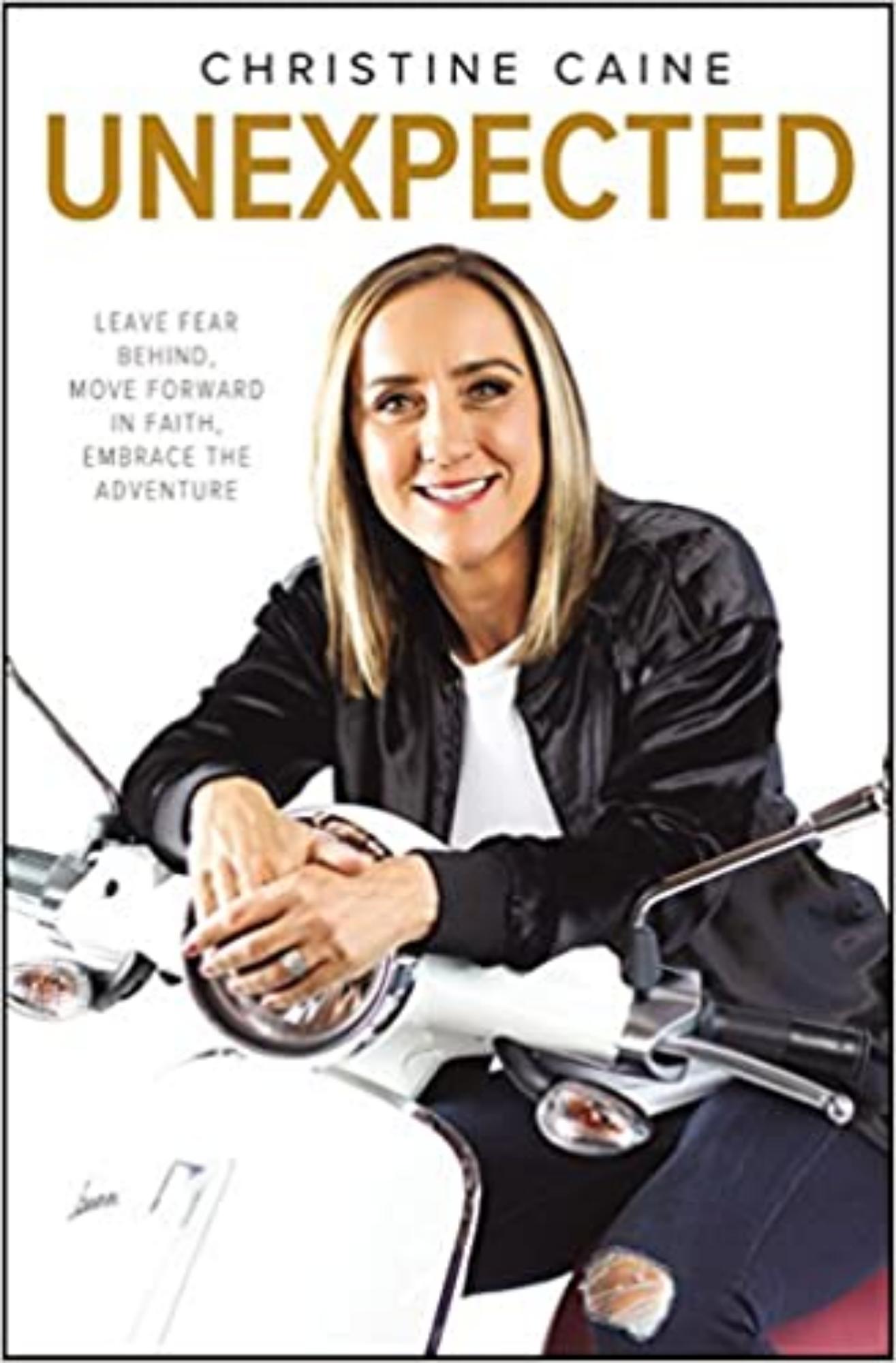
Encouragement and practical steps from bestselling author Christine Caine to help you move from anxiety about the unexpected to embracing confident faith in a good God. Is it possible to have peace in an uncertain world? To not only expect the unexpected but embrace it? Most of us want to have life under control. But God wants us to anticipate the unexpected with a faith deeply rooted in his goodness. He wants us to know that because he is in control, we don't have to be. In Unexpected, beloved author Christine Caine helps us walk into the life God has for us - unknowns and all. Using dramatic examples from her own journey, Christine offers real-life strategies and biblical inspiration to help you: Anticipate the unexpected - personal upheaval, relational challenges, financial stresses, family transitions, career disappointments, and chaotic world affairs, etc. Move from fear and worry about ourselves to hope and trust in God Learn new ways to manage disappointment, strengthen our hearts, and build our faith Step into the unknown to embrace your God-given destiny Live in the joyful freedom of complete trust in God Nothing in our lives takes God by surprise. So even in the midst of personal upheaval, relational challenges, financial stresses, family transitions, career disappointments, and chaotic world affairs, we can expect God to be good and do good. What other expectation do we need to have? Listen to God's dare to trust him in every unknown of your life today.
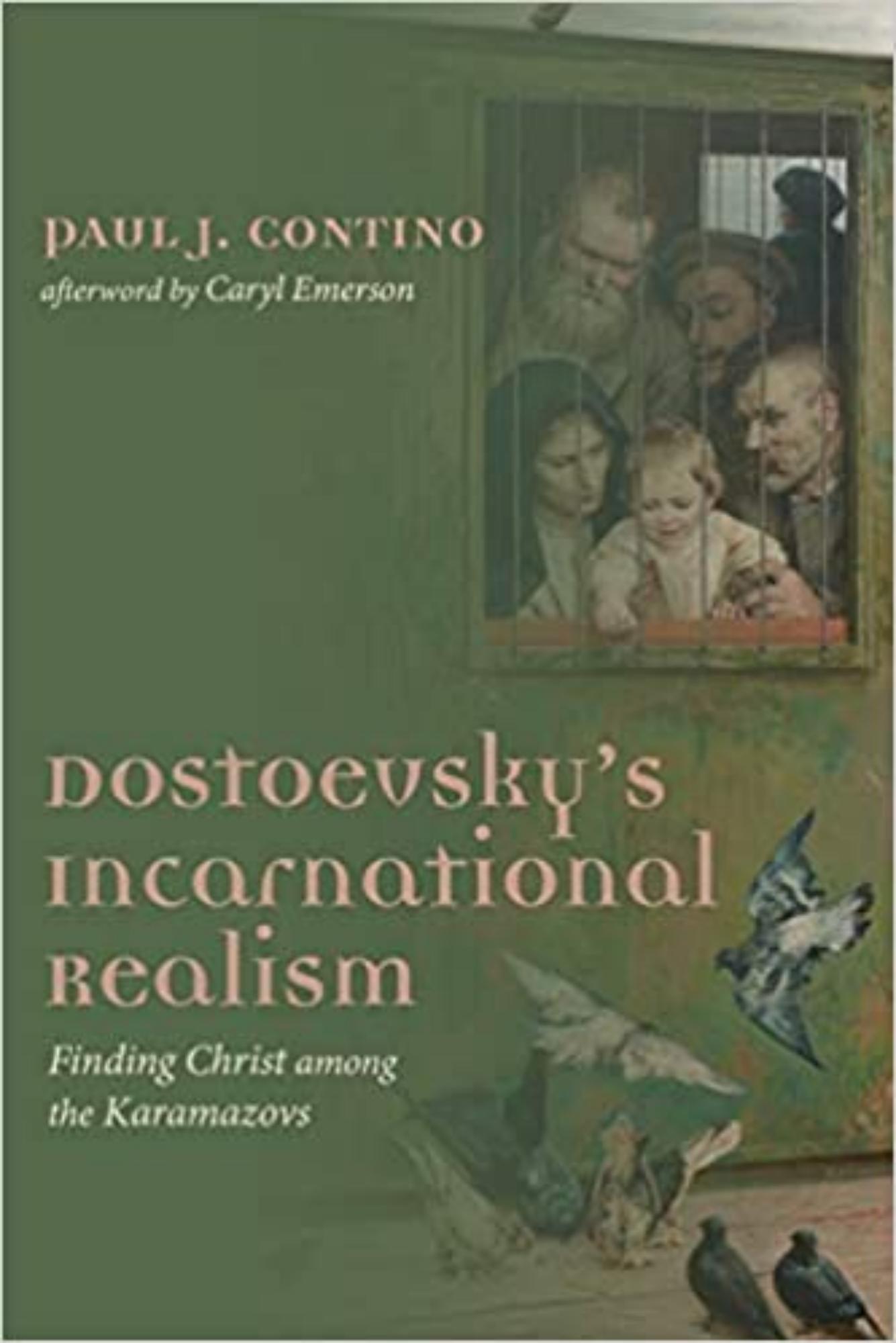
In this book Paul Contino offers a theological study of Dostoevsky’s final novel, The Brothers Karamazov. He argues that incarnational realism animates the vision of the novel, and the decisions and actions of its hero, Alyosha Fyodorovich Karamazov. The book takes a close look at Alyosha’s mentor, the Elder Zosima, and the way his role as a confessor and his vision of responsibility “to all, for all” develops and influences Alyosha. The remainder of the study, which serves as a kind of reader’s guide to the novel, follows Alyosha as he takes up the mantle of his elder, develops as a “monk in the world,” and, at the end of three days, ascends in his vision of Cana. The study attends also to Alyosha’s brothers and his ministry to them: Mitya’s struggle to become a “new man” and Ivan’s anguished groping toward responsibility. Finally, Contino traces Alyosha’s generative role with the young people he encounters, and his final message of hope.
334 pages
Renovation of the Heart is an influential contribution from the late Dallas Willard that continues to break ground twenty years after its first release.
Helping us to understand how character is formed and where Jesus does his most significant work on our spiritual and emotional health, this book changed a generation’s mind about what it means to follow Jesus?not a matter of sin management but a matter of drawing near and letting ourselves be shaped into the eternal people of God.
With reflections on the book’s impact over its life from family, friends, and admirers of Dallas, and supplemental resources for the first time in print, Renovation of the Heart will continue its ministry of liberation-by-formation for years to come.
Includes a foreword by John Mark Comer and an afterword by Natasha Sistrunk Robinson.
320 pages
He's inviting you to sustained and unquenchable love.
Jesus is worthy of a love that burns in the likeness of His love for us. But threats to our passion for Him come with the storms and setbacks we face. With vulnerable perspective and insight, Dana Candler shares her own battles with keeping first love and how the Lord breaks in with vital truth and fresh desire to her soul--and how He yearns to do the same for you.
Discover how to overcome the enemies of holy passion and tangibly experience His love. When you do, He will consume your heart with thriving joy, delight and passion for Him, burning bright all your days.
"First Love equips you to say yes to God's invitation to a life marked by confident trust, deep-rooted joy and a love that overflows and impacts all that you do!"--JODIE BERNDT, bestselling author, Praying the Scriptures for Your Children
"This book will strengthen your confidence in the One who never starts a fire and walks away."--BOB SORGE, bestselling author, Secrets of the Secret Place
"I pray every reader of this book will be encouraged to live from the secret place of prayer so that they may also stand in the peace of God."--HEIDI G. BAKER, Ph.D., co-founder and executive chairman of the board, Iris Global
224 pages

"In ten years of tender lessons, I have learned to hear this message: You were always there. You never left. You were never not you. Now walk with me a while and uncover that girl again. She's not far."
When we face setbacks and obstacles, it's easy to feel alone and unsure of who we are. At some point, we've all felt like we have lost our identities entirely. Drawing from her own life-changing disasters and surprising blessings, former restaurateur and up-and-coming cooking maven Danielle Kartes serves up perfectly portioned stories to remind us we are never truly lost.
With the decadent warmth of a Brown Butter Chocolate Bundt Cake, You Were Always There assures us that our even most challenging moments have their own glory. Mixing anecdotes of motherhood, cooking, and chasing your dreams with delicious, comforting recipes, You Were Always There is a devotional memoir that will inspire love, faith, and patience through the growing seasons of life. Take a little time each day to indulge in this conversation, reflect as you cook something delicious, and love yourself exactly where you are.
Here, the sweet is always generously folded into the sour, great joy shares space with great sorrow, and we learn that every single moment in our lives is worth savoring. You Were Always There is an uplifting, life-affirming book that will become a new favorite for readers of bestselling authors like Joanna Gaines, Shauna Niequist, and Brene Brown.
256 pages
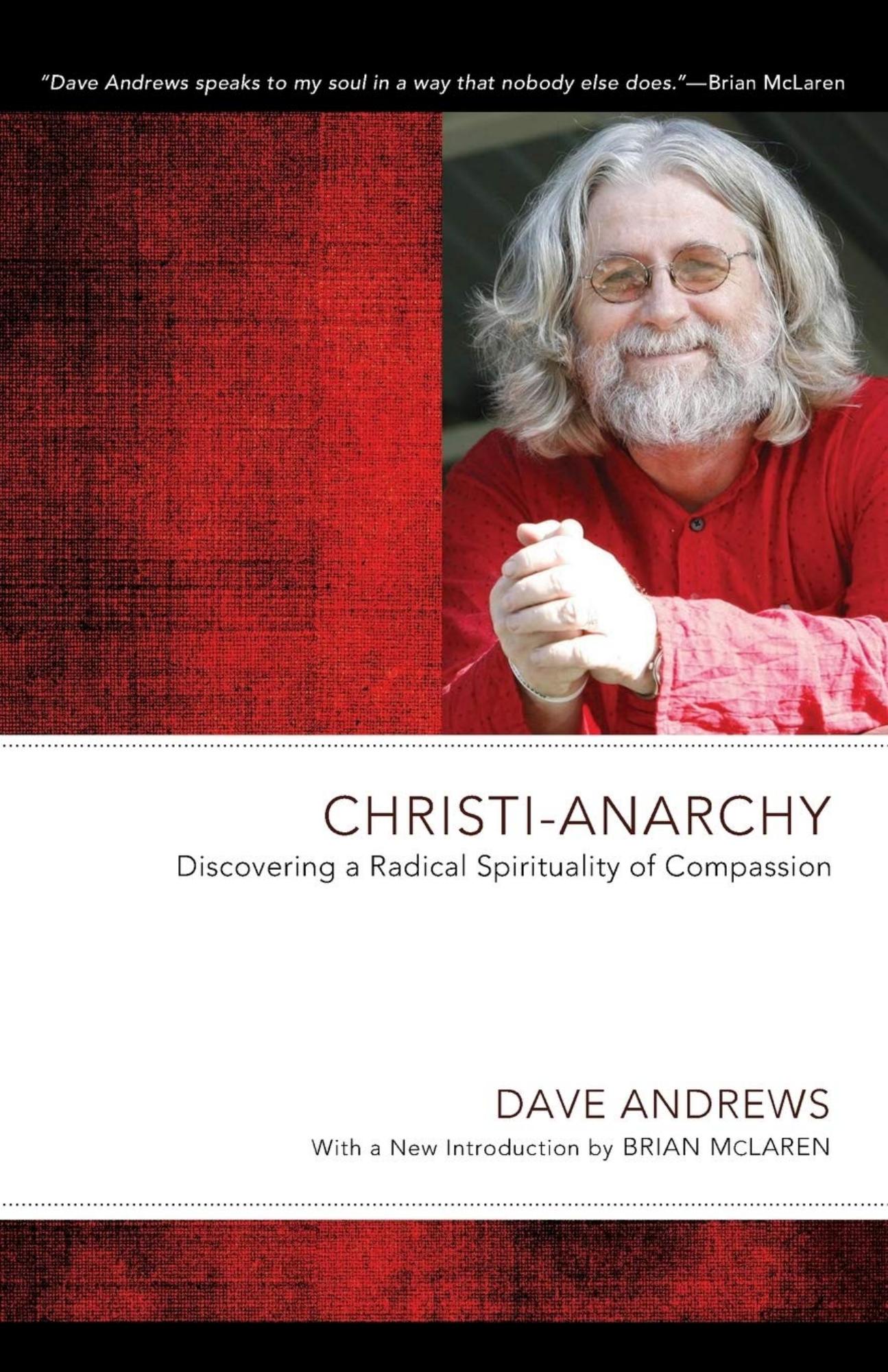
Jesus Christ preached a gospel of love and peace with justice. But the history of the Christian religion is littered with every kind of evil. What went wrong? How have we become a generation that is seeking God but rejecting organized religion? How can we rediscover the authentic message of Jesus? This challenging book explores the reasons behind the atrocities committed in the name of Christ. It offers the vision of Jesus as a source of radical renewal of individuals and societies. Author of the acclaimed Plan Be Series, Dave Andrews shows how we can be inspired by the model of Jesus' compassion, and his hunger for justice, to work with marginal groups for real transformation in our world.
David Green believes that generosity and building a legacy based on giving can lead to getting back what you really want: a family that stays together, prays together, and shares life joyfully.
Green tells the story of caring for the small things and starting Hobby Lobby in their garage. He shares the difference between the worlds of "having and hoarding" and a world of "giving and generosity," the principle of working for God and not for men, and that now is not too soon to consider what you want your legacy to be.
As proof of how living by those principles can change your life, Green shares that when Hobby Lobby came close to bankruptcy in 1986 and when the Supreme Court challenged the Hobby Lobby's right to life beliefs in 2014, the company emerged with its integrity intact.
Green sees the life of giving as a life of adventure. But it's a life that pays the best rewards personally, offers a powerful legacy to your family, and changes those you touch.
St. Bonaventure of Bagnoregio's The Soul's Journey into God is a masterpiece of thirteenth-century Scholasticism. Unfortunately no comprehensive analysis of Bonaventure's seminal treatise exists that is accessible to contemporary audiences. Reinvigorating the medieval tradition of critical commentary for the twenty-first century, Peter Dillard's A Way into Scholasticism: A Companion to St. Bonaventure's The Soul's Journey into God introduces readers to basic Scholastic concepts and arguments by expounding and evaluating Bonaventure's speculative system. Dillard also highlights the relevance of Bonaventure's thought for contemporary philosophical theology. The book will appeal to a wide audience including seminarians, clergy, brothers and sisters of religious orders, students at the advanced undergraduate or graduate levels, professional scholars, and anyone seeking a better understanding of the Scholastic intellectual tradition.
220 pages
The Post-Black and Post-White Church
Why is Sunday morning still the most segregated time in America? The key to creating and growing a more unified and holistic church is the multi-ethnic and Christ-centered community that offers a strong connection between theology and practical ministry models, and that nurtures believers who are wrestling with what it means to be the church of the Bible today.
Most books on racial reconciliation or multi-ethnic ministry center on the theological foundations, history, or social problem aspects of the topic. The Post-Black and Post-White Church offers apractical, hands-on blueprint for developing and sustaining a multi-ethnic and Christ-centered community. Written by Efrem Smith, an innovative and passionate African-American leader of the Covenant Evangelical Church and founding pastor of Sanctuary Covenant Church in Minneapolis, Minnesota, this groundbreaking book shares his skills, experience, and wisdom for congregations who want to grow into a multi-ethnic, missional identity.
The Post-Black and Post-White Church connects theology and practical ministry models for wrestling with what it means to be church in an ever-increasingly multi-ethnic world that is polarized by class, politics, and race. The book embraces Jesus as one who was both Jewish and multi-ethnic and focuses on a theology of reconciled, multi-ethnic, and missional leadership.
Taking a broad view of today's culture, Smith shows how engaging urban and multi-ethnic subcultures such as hip-hop culture can further the mission of church. The Post-Black and Post-White Church bridges multi-ethnic church development, reconciliation theology, missional church development, and Christian community development.
Leadership Network
Leadership Network, a division of OneHundredX, seeks to accelerate the impact of 100X leaders. Since 1996, Leadership Network Publications has presented thoroughly researched and practical concepts from leading thinkers, practitioners, and pioneering churches. www.leadnet.org
About the Author
EFREM SMITH is an internationally recognized African-American leader and highly charismatic speaker. He is the former pastor of the Sanctuary Covenant Church and board chair of the Sanctuary Community Development Corporation in Minneapolis, Minnesota. He is now superintendent of the Pacific Southwest Conference of the Evangelical Covenant Church (ECC) denomination, located in Concord, California, and the author of Raising Young Heroes and The Hip-Hop Church.
2019 Best Book Awards, Finalist: Religion--Christian Inspirational
If you've already figured out your life and feel totally complete, then this book may not be for you. But if you are like the rest of us, every day presents a mountain of to-do items, jobs to go to, errands to run, projects to complete, meals to cook, children to raise... You forge ahead and get it done, but you know that things aren't as they should be. Even when you check every item off your daily list, you still feel as though something meaningful and essential is missing from the very center of your life.
Spiritual director and writer Becky Eldredge has felt that same longing, and she knows what people are missing--a relationship with God through prayer. In Busy Lives & Restless Souls, Eldredge interprets principles of Ignatian spirituality in a fresh way to equip us with prayer tools that are accessible and practical within the relentless realities of our daily routines. Just as important, she shows us how we can bring our relationship with God to life by becoming what St. Ignatius called "contemplatives in action." For all who sense that there is a missing peace in their lives, Busy Lives &Restless Souls will help them find it--right where they are.
160 pages
A comprehensive, two-volume reassessment of the quests for the historical Jesus that details their origins and underlying presuppositions as well as their ongoing influence on today's biblical and theological scholarship.
Jesus' life and teaching is important to every question we ask about what we believe and why we believe it. And yet there has never been common agreement about his identity, intentions, or teachings—even among first-century historians and scholars. Throughout history, different religious and philosophical traditions have attempted to claim Jesus and paint him in the cultural narratives of their heritage, creating a labyrinth of conflicting ideas.
From the evolution of orthodoxy and quests before Albert Schweitzer's famous "Old Quest," to today's ongoing questions about criteria, methods, and sources, A History of the Quests for the Historical Jesus not only chronicles the developments but lays the groundwork for the way forward.
The late Colin Brown brings his scholarly prowess in both theology and biblical studies to bear on the subject, assessing not only the historical and exegetical nuts and bolts of the debate about Jesus of Nazareth but also its philosophical, sociological, and theological underpinnings. Instead of seeking a bedrock of "facts," Brown stresses the role of hermeneutics in formulating questions and seeking answers.
Colin Brown was almost finished with the manuscript at the time of his passing in 2019. Brought to its final form by Craig A. Evans, this book promises to become the definitive history and assessment of the quests for the historical Jesus.
Volume One (sold separately) covers the period from the beginnings of Christianity to the end of World War II.
Volume Two covers the period from the post-War era through contemporary debates.
752 pages
The Platonic Theology is a visionary work and the philosophical masterpiece of Marsilio Ficino (1433-1499), the Florentine scholar-philosopher-magus who was largely responsible for the Renaissance revival of Plato.
A student of the Neoplatonic schools of Plotinus and Proclus, he was committed to reconciling Platonism with Christianity, in the hope that such a reconciliation would initiate a spiritual revival and return of the golden age. His Platonic evangelizing was eminently successful and widely influential, and his Platonic Theology, translated into English for the first time in this edition, is one of the keys to understanding the art, thought, culture, and spirituality of the Renaissance.
368 pages
This description may be from another edition of this product. A newly repackaged and updated 40th anniversary edition of the timeless guide that has helped numerous seekers discover a richer spiritual life infused with joy, peace, and a deeper understanding of God, updated with a new Introduction by the author and a new section.
Millions are satisfied to sit through hour-long, weekly religious services. Millions more have left the church, brokenhearted and cynical. But God is waking up His people?people who will risk everything and sacrifice anything to become the dynamic, powerful Church seen in Scripture.
We Are Church calls Christ-followers, young and old, to hold fast to their biblical roots while seeking radical change. Scripture promises an exuberant and unstoppable Church. That wondrous early church of Acts can be our reality today?but not until we devote ourselves to her original priorities.
Read this book and be challenged, guided, and encouraged to passionately pursue God’s magnificent and beautiful vision for His Church. Come and claim your part in this body of believers that is not just possible?it’s promised.
Parenting is a school for spiritual formation, says author Gary Thomas, and our children are our teachers. The journey of caring for, rearing, training, and loving our children profoundly alters us forever…even when the journey is sometimes a rough one.
Sacred Parenting is unlike any other parenting book on the market. This is not a “how-to” book that teaches readers the ways to discipline their kids or help them achieve their full potential. Instead of a discussion about how parents change their children, Sacred Parenting turns the tables and demonstrates how God uses children to change their parents.
Stepping beyond the overly-tilled soil of method books, parents can learn a whole new side of parenting. They’ll be encouraged by stories that tell how other parents handled the challenges and difficulties of being a parent – and how their children transformed their relationship with God.
The lessons the author writes about are timeless. But in this edition, Thomas adds in some additional insights and stories that he’s learned and lived over the past fifteen years of his own parenting. Gary has found that the lessons have remained much the same but there are new applications for the readers in this generation who are just now coming to his book.
256 pages
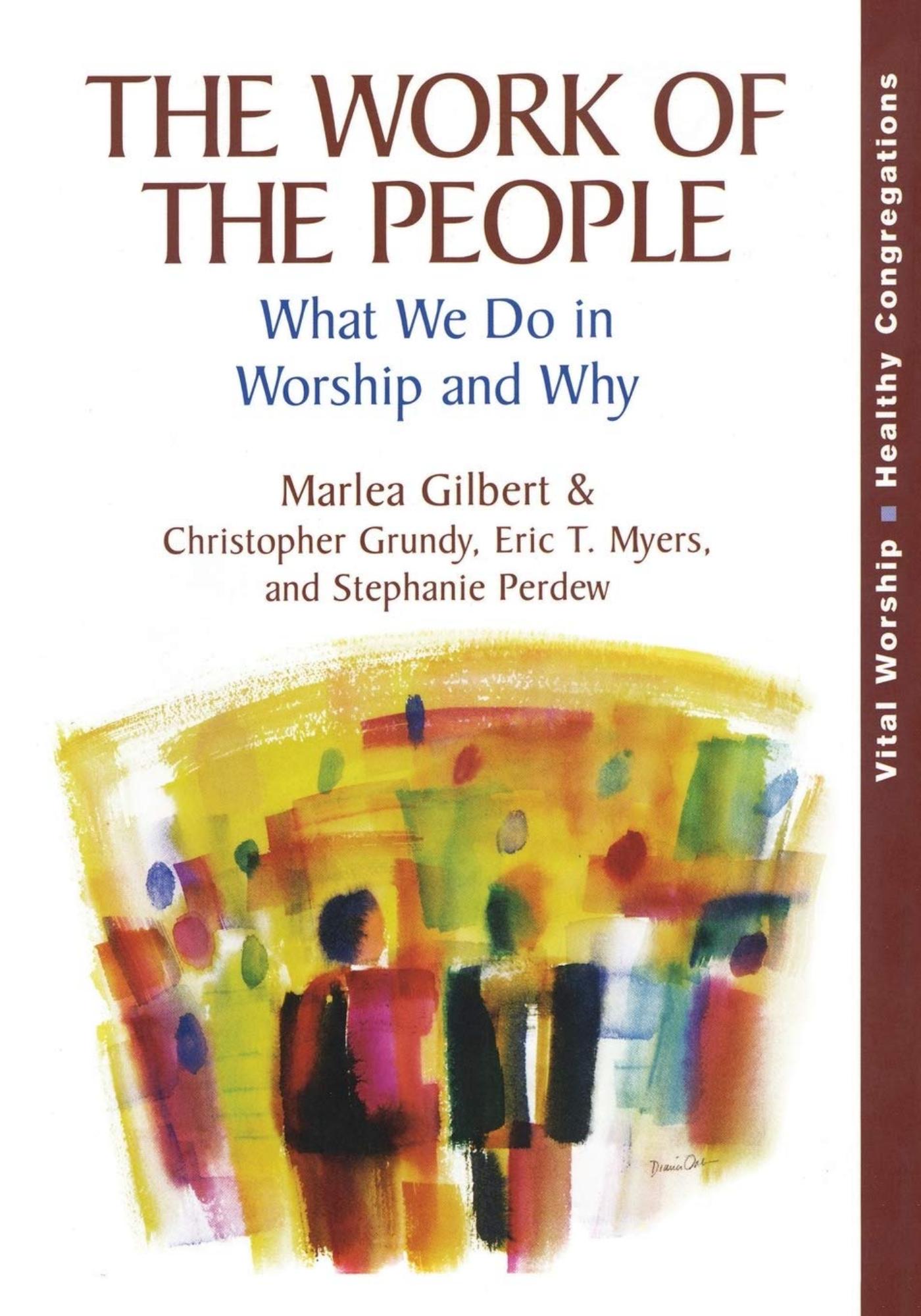
"I do not know of any book that provides more helpful information about how to lead worship graciously or that raises basic theological issues about worship more concisely." -- Ruth Duck
150 pages
A treatment of the evolution of Christian thought from the birth of Christ, to the Apostles, to the early church, to the great flowering of Christianity across the world. The first volume introduces the central figures and debates culminating in the Councils of Nicea and Chalcedon among which the theologies of the early church were hammered out.
402 pages
This is the first in a new six-volume translation of - and commentary about - the works of the Apostolic Fathers. The writings of these men, which immediately follow the books of the New Testament, make up a body of literature that provides indispensable source material for the study of the formation of the Christian Church. Interest in the early Church is higher today than ever before. Theologians, religious authorities, students, and historians find the initial stages of Church development relevant to the contemporary structure of the Church. This introduction to the series provides general information about the Apostolic Fathers and answers such questions as: Who were they? What did they do? What did they write? What influence did they have, either personally or through their writings? It analyzes the historical and theological significance of the Apostolic Fathers, the relationship of their writings to the Bible, the historical circumstances surrounding them and what they reflect of the early Church, its unity, ministry, worship, and daily life. Here, too, Robert Grant surveys the effects of the writings of the Apostolic Fathers on later Christian scholars and theologians. He traces the relationship of their writings to the Church in later times. What use was made of these Fathers themselves as symbols of primitive faith? What effect did knowledge or ignorance of the writings have upon conceptions of the life and thought of the early Church as later writers looked back to it? As an introduction to an important work of religious scholarship and as a survey of the life of the early Church, this much needed book gives impetus to and provides a solid foundation for the study and understanding of the formative period of the Christian Church.
208 pages
This is the second in a new six volume translation of and commentary on the works of the Apostolic Fathers. The writings of these men, which immediately follow the books of the New Testament, make up a body of literature that provides indispensable source material for the study of the formation of the Christian Church. Interest in the early Church is higher today than ever before. Theologians, religious authorities, students, and historians find the initial stages of Church development relevant to the contemporary structure of the Church. Volume 2, First and Second Clement, provides translation of and commentary on two of the best-known writings of the Apostolic Fathers. The First Letter of Clement or, more accurately, the letter of the Roman Church to the Corinthian community, provides a significant mixture of scriptural and non-scriptural motifs. The so-called Second Letter of Clement is neither a letter nor by Clement. Actually it is a sermon which deals first with self-control and more generally with exhorting the hearers to repentance and thereby to salvation and life. Not until the rise of historical scholarship in the nineteenth century could its real importance begin to be adequately assessed.
150 pages
The early Christian Church and the men who were most influential during the formative years have a profound relevance to the contemporary structure of the Church. The Apostolic Fathers: A Translation and Commentary provides a modern translation and commentary on the writings of these men, indispensable source material for the student of Church history. This volume, one of six, includes a translation of and commentary on the Letters of Ignatius of Antioch, which are primarily concerned with heterodoxy and church unity.
154 pages
From the first moment that he proclaims the Kingdom of God, Jesus appeals to our imagination. He makes that appeal through the parables of the kingdom, the paradoxes of the gospel, the enigmatic and beautiful signs he gave in his miracles and in those moments when the heavens open and the ordinary is transfigured, seen in an utterly new light. In this book Guite revisits and expands on the insights he gave in his Laing Lectures at Regent College, exploring how the creative work of poets and other artists can lift the veil a little and kindle our imaginations for Christ.
160 pages
You'll laugh, you'll cry, you'll be amazed, and you'll gain a new and exalted view of God when you read Honey and Salt. This small collection of stories addresses the biggest of all topics: everyday life. It serves up wisdom and humor in bite-sized chunks-each morsel small enough to digest in minutes. Together, these 117 stories provide spiritual nourishment as well as the key to spotting the blessings in the small moments of daily life. Originally published in the Evangelical Beacon* between 1959 and 1974, Honey and Salt's stories are as relevant today as when first written.
The late second and early third century was a turbulent time in the Roman Empire and in the relationship between the empire and the church. Origen was the son of a Christian martyr and was himself imprisoned and tortured in his late life in a persecution that targeted leaders of the church. Deeply pious and a gifted scholar, Origen stands as one of the most influential Christian teachers in church history, and also one of the most controversial.
This introduction to Origen begins by looking at some of the circumstances that were formative influences on his life. It then turns to some key elements in his thought. The approach here differs from that taken by most earlier studies by working from the central position that Scripture had for Origen. Heine argues that Origen’s thought, in his later life especially, reflects his continual interaction with the Bible.
182 pages
Guy Hershberger made a significant contribution to the development of peace theology in the (Old) Mennonite Church. Perhaps the greatest service of this book is to explain clearly the centuries-old doctrine of nonresistance as understood by Mennonites in the mid-1900s.
Although nonresistance was held as a doctrine since the early days of Anabaptism in the sixteenth century, Hershberger helped expand the concept. Many of the new ideas that Hershberger posed were explorations of the social implications of nonresistance. Particularly as Mennonites assimilated into society, their neighbors pressed them with questions about social responsibility.
At the time when Hershberger penned this volume, nonresistance and nonconformity were intimately linked. Together they formed the two primary distinctives of the Mennonite Church at mid-century.
As nonresistance and nonconformity faded into the background, peace and justice took their place. Today, peace and justice as a rubric is spoken of as the primary distinctive in the Mennonite Church. Unlike the doctrines of nonresistance and nonconformity, which were founded on peculiarly biblical logic, peace and justice may be touted as ideals by even secular groups. In this vein, Hershberger's clear delineation of the differences between biblical nonresistance and liberal pacifism will be of particular interest to contemporary readers.
Convictions about peace seem oddly out of place in a world where dictators rule with an iron fist and terrorists snuff out innocent lives in pursuit of a cause. We can thank God that Hershberger joined his voice with other faithful leaders who pointed to a better way. May we too be stewards of the charism of peace which Jesus gave to his disciples.
300 pages
This book allows us to accompany C. S. Lewis on his intellectual and spiritual journey from atheism to pantheism and eventually to Christianity. It analyzes key elements of Lewis’s Christian worldview and identifies challenges leveled against it from alternative worldviews. It examines Lewis’s apologetic methodology, highlighting how it was shaped by his worldview, and provides an analysis of Lewis’s specific responses to a number of objections. The project also serves as a comparative analysis of worldviews, particularly as they relate to truth claims of the Christian faith.
The notion of worldview is critical to the formulation of views. One’s worldview determines how reality is perceived. It’s characterized as a set of glasses through which we view our surroundings and interpret experiences. It accounts for the perspective we bring to every event in life and helps explain why different people “see” things differently when looking at the same data. The same evidence may lead one person to reject a particular conclusion, while moving another to embrace what the other rejected. Lewis’s major works are explored at length in this book. Although much has been written about Lewis, Hofer’s examination of the influence of worldview on his work is unique.
278 pages
Do North American evangelicals have a clear and strong doctrine of the church? Can we generate one?
In this volume, editors Mark Husbands and Daniel J. Treier bring together thirteen scholars and teachers to explore the history of evangelical ecclesiology and the continuing discussion regarding the nature of the church, the question of sacraments, the relation of church to society, and the church's moral character and missional witness.
Contributors include William J. Abraham, Gary D. Badcock, Craig A. Carter, Ellen T. Charry, William A. Dyrness, Darrell L. Guder, D. G. Hart, Willie James Jennings, Dennis L. Okholm, James K. A. Smith, Allen Verhey, John Webster and Jonathan R.
291 pages
Enough is enough, says Mo Isom. With raw vulnerability and a bold spirit, she shares her own sexual testimony, opening up the conversation about misguided rule-following, virginity, temptation, porn, promiscuity, false sex-pectations, sex in marriage, and more and calling readers back to God's original design for sex--a way to worship and glorify him. This book is for the young person tangled up in an addiction to pornography, for the girlfriend feeling pressured to go further, for the "good girl" who followed the rules and saved herself for marriage and then was confused and disappointed, for the married couple who use sex as a bargaining tool, for every person who casually watches sex play out in TV and movies and wonders why they're dissatisfied with the real thing, and for every confused or hurting person in-between.
Sex was God's idea. It's time we invited him back into the bedroom.
19 pages
Hans Joachim Iwand's 1941 monograph, The Righteousness of Faith According to Luther, is an important contribution to contemporary appreciation of Luther's theological significance for today. Although Iwand wrote his study three decades after the beginning of the Luther Renaissance, it nevertheless developed some of the central insights of Luther scholarship during that period. Two concepts--in particular, promise and simultaneity--are crucial to an appreciative understanding of Luther's doctrine of justification. The language of promise presents justification to the believer as a reality that has yet to arrive or is hidden under present reality. And the language of simultaneity attests that humans remain throughout their lives one in the same, sinner and saint. This beautiful translation by Randi H. Lundell makes Iwand's down-to-earth presentation of the doctrine at the heart of Luther's theology, at long last, available to English-language readers.
116 pages
We like God small. We prefer a God who is safe, domesticated, who thinks like we think, likes what we like, and whom we can manage, predict, and control. A small God is convenient. Practical. Manageable. For us, thinking of God as so infinitely greater and wiser than we are and who would cause us to tremble in his presence is a leftover relic from an oppressive, archaic view of religion.
J. I. Packer (1926–2020) is regarded as one of the most well-known theologians and influential evangelicals of our time. Once named to Time magazine's list of the 25 Most Influential Evangelicals in America, Packer wrote what many consider the definitive classic evangelical book of the twentieth century, Knowing God, which has sold more than one million copies in North America alone.
As the author of forty-seven books, Packer's prolific work has impacted countless pastors, thought leaders, theologians, and authors. He preached and lectured widely in Great Britain and North America and served as general editor of the English Standard Version of the Bible published in 2001, and as theological editor of the Study Bible version. When Christianity Today conducted a survey to determine the top 50 books that have shaped evangelicals, Packer's book Knowing God came in fifth. In 2014, Packer was named Author of the Year by the Association of Logos Bookstores.
296 pages
Panta 1 shows that the authors of the New Testament understood Christianity and their world from the point-of-view of the pre-Socratic philosopher, Heraclitus of Ephesus who lived around 500 B.C. His philosophy served as the point of view of most of the authors of the New Testament. These statements are supported by examining the historical context of the New Testament, the texts of both the philosopher and the New Testament, and the concepts that they both endorse. Part One examines the bases of much of the New Testament scholarship as it has been formulated for the past century. This part pays particular attention to a critique of David Strauss, and of the tendency in modern theology to reinterpret the New Testament according to modern philosophical or ideological agenda. Part Two examines the philosophy of Heraclitus, based primarily on the commentary by Charles H. Kahn (Cambridge University Press, 1989). Part Three shows affinities between Heraclitus and the books of the New Testament, beginning with John. The author also proposes a theory concerning the identity of Tyrranus in the book of Acts. Part Four examines the Gospel of Thomas, and an interesting writing from the Nag Hammadi library. Part Five contains suggestions concerning Christian Theology and topics including God, Jesus, sin, atonement, and others are discussed.
406 pages
A world-renowned scholar reveals how a pivotal transformation in spiritual experience during the biblical era made us who we are today
A great mystery lies at the heart of the Bible. Early on, people seem to live in a world entirely foreign to our own. God appears to Abraham and Sarah, Jacob and others; God buttonholes Moses and Isaiah and Jeremiah and tells them what to say. Then comes the Great Shift, and Israelites stop seeing God or hearing the divine voice. Instead, later Israelites are “in search of God,” reaching out to a distant, omniscient deity in prayers, as people have done ever since. What brought about this change?
The answers come from ancient texts, archaeology and anthropology, and even modern neuroscience. They concern the origins of the modern sense of self and the birth of a worldview that has been ours ever since. James Kugel, whose strong religious faith shines through his scientific reckoning with the Bible and the ancient world, has written a masterwork that will be of interest to believers and nonbelievers alike, a profound meditation on encountering God, then and now.
496 pages

Do you thrust unsolicited partisan articles upon your spouse? Are you convinced that you can change your coworker’s mind, if you could only argue forcefully enough? Have you gone from befriending to “defriending” the people once closest to you? Don’t give up hope; Dr. Jeanne Safer is here to help.
Since the election of Donald J. Trump, political disagreements have been ravaging our personal relationships like never before. This already widespread phenomenon will continue to grow unless we learn to fight it.
From friends to relatives to lovers, no relationship is immune to this crisis. I Love You, but I Hate Your Politics draws from interviews with every type of politically mixed couple, as well as Dr. Safer’s own experiences as a die-hard liberal happily married to a stalwart conservative. The result is a practical guide to maintaining respect and intimacy in our increasingly divided world.
I Love You, but I Hate Your Politics is sure to educate and entertain anyone who has felt the strain of ideological differences in their personal life. No matter which side of the fence you're on, Dr. Safer offers frank, practical advice for salvaging and strengthening your bonds with your loved ones. This book is required reading for any politically minded friend, relative, or significant other in the Trump era.
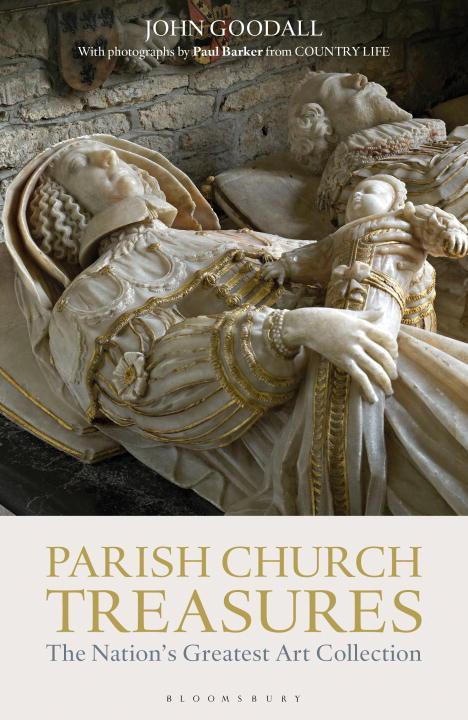
Our parish churches constitute a living patrimony without precise European parallel. Their cultural riches are astonishing, not only for their quality and quantity, but also their diversity and interest. Fine art and architecture here combine unpredictably with the functional, the curious and the naïve, from prehistory to the present day, to form an unsung national museum which presents its contents in an everyday setting without curators or formal displays. Because church treasures usually remain in the buildings they were created for, properly interpreted they tell from thousands of local perspectives the history of the nation, its people and their changing religious observance.
John Goodall's weekly series in Country Life has celebrated particular objects in or around churches that are of outstanding artistic, social or historical importance, to underline both the intrinsic interest of parish churches and the insights that they and their contents offer into English history of every period. Parish Church Treasures incorporates and significantly expands this material to tell afresh the remarkable history of the parish church. It celebrates the special character of churches as places to visit whilst providing an authoritative and up-to-date history at a time when the use and upkeep of these buildings and the care of their contents is highly contentious.
What is tikkun olam? This obscure Hebrew phrase means literally “healing the world,” and according to Jonathan Neumann, it is the master concept that rests at the core of Jewish left wing activism and its agenda of transformative change. Believers in this notion claim that the Bible asks for more than piety and moral behavior; Jews must also endeavor to make the world a better place.
In a remarkably short time, this seemingly benign and wholesome notion has permeated Jewish teaching, preaching, scholarship and political engagement. There is no corner of modern Jewish life that has not been touched by it. This idea has led to overwhelming Jewish participation in the social justice movement, as such actions are believed to be biblically mandated.
There's only one problem: the Bible says no such thing.
In this lively theological polemic, Neumann shows how tikkun olam, an invention of the Jewish left, has diluted millennia of Jewish practice and belief into a vague feel-good religion of social justice. Neumann uses religious and political history to debunk this pernicious idea, and shows how the Bible was twisted by Jewish liberals to support a radical left-wing agenda.
In To Heal the World?, Neumann explains how the Jewish Renewal movement aligned itself with the New Left of the 1960s, and redirected the perspective of the Jewish community toward liberalism and social justice. He exposes the key figures responsible for this effort, shows that it lacks any real biblical basis, and outlines the debilitating effect it has had on Judaism itself.
Dorothee Soelle once wrote, "Dietrich Bonhoeffer is the one German theologian who will lead us into the third millennium." As we near the end of the first decade of this third millennium, Bonhoeffer continues to inspire new generations as a spiritual guide for their actions on behalf of peace and social justice. This book by Geffrey Kelly provides a critical analysis and reading guide to two of the spiritual classics that are now available in new translations through Fortress Press. Reading Bonhoeffer offers a running commentary of each segment of these popular texts along with discussion questions suitable for the university and seminary classroom as well as parish adult education programs. In a final section of the book, Kelly excerpts and analyzes three significant texts by Bonhoeffer on the need for world peace against the rising militarism and continued glorification of war in Germany and other European nations.
198 pages
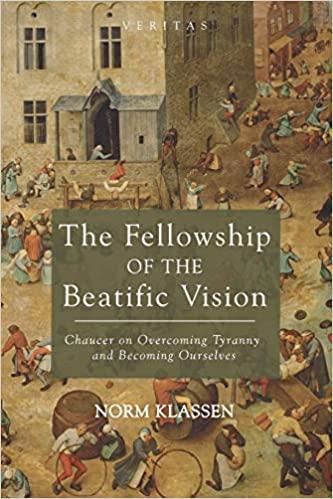
In The Canterbury Tales, Geoffrey Chaucer asks a basic human question: How do we overcome tyranny? His answer goes to the heart of a revolutionary way of thinking about the very end of human existence and the nature of created being. His answer, declared performatively over the course of a symbolic pilgrimage, urges the view that humanity has an intrinsic need of grace in order to be itself. In portraying this outlook, Chaucer contributes to what has been called the "palaeo-Christian" understanding of creaturely freedom. Paradoxically, genuine freedom grows out of the dependency of all things upon God. In imaginatively inhabiting this view of reality, Chaucer aligns himself with that other great poet-theologian of the Middle Ages, Dante. Both are true Christian humanists. They recognize in art a fragile opportunity: not to reduce reality to a set of dogmatic propositions but to participate in an ever-deepening mystery. Chaucer effectively calls all would-be members of the pilgrim fellowship that is the church to behave as artists, interpretively responding to God in the finitude of their existence together.
250 pages
94 pages
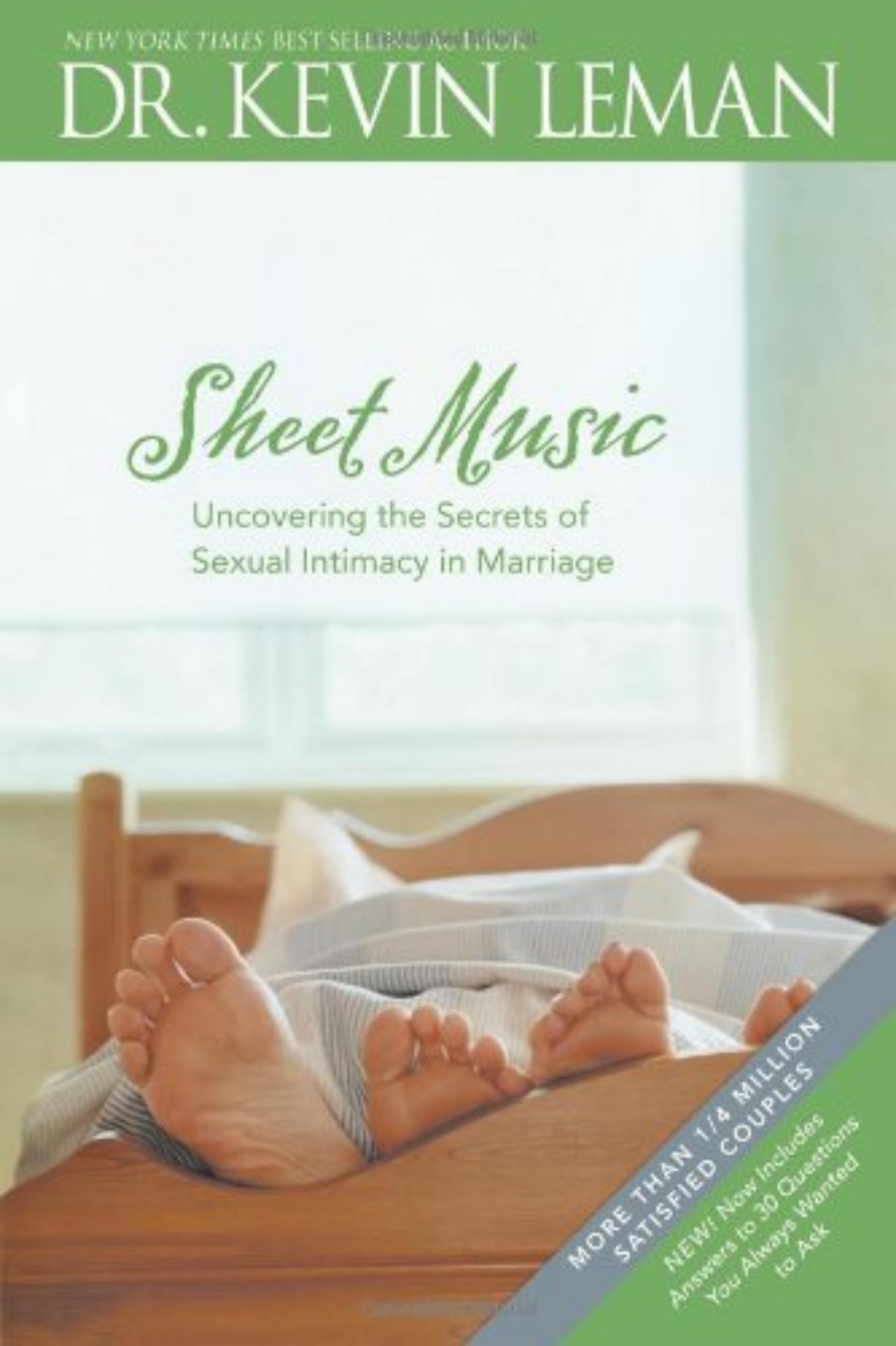
With his characteristic warmth and humor, Dr. Kevin Leman offers a practical guide to sex according to God's plan. This frank and practical book is a perfect resource for married and engaged couples. Dr. Leman addresses a wide spectrum of people, from those with no sexual experiences to those with past sexual problems or even abuse. Using frank descriptions, this book has a warm and friendly tone that will help couples overcome awkwardness in discussing an issue important to all married couples.
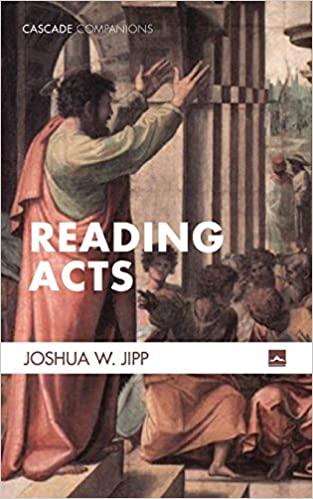
The book of Acts tells the story of what happened after the death and resurrection of Jesus. The book is filled with adventure and entertainment as Acts narrates God’s activity among his people and the world. In this book I explore one way of reading Acts that attends closely to the plotline of the book and seek to invite readers into the story that Acts tells. Along the way, I examine some of the most important themes of Acts, including divine activity, the extension of the gospel to surprising people in surprising ways, conflict and congruence between the gospel and the broader world, and the ongoing importance of Israel as God’s people. While there are many excellent reasons to read Acts, I reflect too upon the theological and ethical vision of Acts for those who read this book as Christian Scripture.
168 pages
"We can do no great things, only small things with great love." Before her death in 1997 Mother Teresa of Calcutta had come to embody for people of all nations and faiths the very definition of holiness. This selection of her writings highlights the essence of her spiritual message, of Christian love and service to the poor--which is not only a path of faithful discipleship but the way to human happiness and fulfillment.
143 pages
Silence is essential for the health and well-being of humans and the environment in which they live. Yet silence has almost vanished from our lives and our world. Of all the books that claim to be about silence, this is the only one that addresses silence directly. Silence: A User's Guide is just what the title says: it is a guide to silence, which is both a vast interior spaciousness, and the condition of our being in the natural world. This book exposes the processes by which silence can transfigure our lives--what Maggie Ross calls "the work of silence"; it describes how lives steeped in silence can transfigure other lives unawares. It shows how the work of silence was once understood to be the foundation of the teaching of Jesus, and how this teaching was once an intrinsic part of Western Christianity; it describes some of the methods by which the institution suppressed the work of silence, and why religious institutions are afraid of silence. Above all, this book shows that the work of silence gives us a way of being in the world that is more than we can ask for or imagine.
Many Christians mistakenly believe that their only choice is either to reconcile themselves to a fundamentalist reading of scripture (a "literal-factual" approach) or to simply reject the Bible as something that could bring meaning and value into their lives. In Reading the Bible Again for the First Time, Marcus Borg shows how instead we can freshly appreciate all the essential elements of the Old and New Testaments—from Genesis to Revelation—in a way that can open up a new world of intelligent faith.
In Reading the Bible Again for the First Time, Borg reveals how it is possible to reconcile a scientific and critical way of thinking with our deepest spiritual needs, leading to an insightful experience of ancient text. This unique book invites every reader—whatever his or her religious background—to engage the Bible, to wrestle with its meaning, to explore its mysteries, and to understand its relevance. Reading the Bible Again for the First Time shows us how to encounter the Bible in a fresh, new way that rejects the limits of simple literalism and opens up the rich possibility of living a life of authentic faith.
336 pages
For thousands of years, philosophers, theologians, and poets have tried to pierce through the veil of death to gaze with wonder, fear, and awe on the final and eternal state of the soul. Indeed, the four great epic poets of the Western tradition (Homer, Virgil, Dante, and Milton) structured their epics in part around a descent into the underworld that is both spiritual and physical, both allegorical and geographical. This book not only considers closely these epic journeys to the "other side" but explores the chain of influences that connects the poets to such writers as Plato, Cicero, St. John, St. Paul, Bunyan, Blake, and C. S. Lewis. Written in a narrative, "man of letters" style and complete with an annotated bibliography, a timeline, a who's who, and an extensive glossary of Jewish, Christian, and mythological terms, this user-friendly book will help readers understand how heaven and hell have been depicted for the last 3,000 years.
244 pages
Marsilio Ficino (1433–1499), the Florentine scholar-philosopher-magus, was largely responsible for the Renaissance revival of Plato. The publication of his Latin translations of the dialogues in 1484 was an intellectual event of the first magnitude, making the Platonic canon accessible to western Europe after the passing of a millennium and establishing Plato as an authority for Renaissance thought. This volume contains Ficino’s extended analysis and commentary on the Phaedrus, which he explicates as a meditation on “beauty in all its forms” and a sublime work of theology. In the commentary on the Ion, Ficino explores a poetics of divine inspiration that leads to the Neoplatonist portrayal of the soul as a rhapsode whose song is an ascent into the mind of God. Both works bear witness to Ficino’s attempt to revive a Christian Platonism and what might be called an Orphic Christianity.
336 pages
A brilliant and defiant celebration of driving as a unique pathway of human freedom, by "one of the most influential thinkers of our time" (Sunday Times)
"Why We Drive weaves philosophers, thinkers, and scientific research with shade-tree mechanics and racers to defend our right to independence, making the case that freedom of motion is essential to who we are as a species. ... We hope you'll read it." —Road & Track
Once we were drivers, the open road alive with autonomy, adventure, danger, trust, and speed. Today we are as likely to be in the back seat of an Uber as behind the wheel ourselves. Tech giants are hurling us toward a shiny, happy “self-driving” future, selling utopia but equally keen to advertise to a captive audience strapped into another expensive device. Are we destined, then, to become passengers, not drivers? Why We Drive reveals that much more may be at stake than we might think.
Ten years ago, in the New York Times-bestselling Shop Class as Soulcraft, philosopher-mechanic Matthew B. Crawford—a University of Chicago PhD who owned his own motorcycle shop—made a revolutionary case for manual labor, one that ran headlong against the pretentions of white-collar office work. Now, using driving as a window through which to view the broader changes wrought by technology on all aspects of contemporary life, Crawford investigates the driver’s seat as one of the few remaining domains of skill, exploration, play—and freedom.
Blending philosophy and hands-on storytelling, Crawford grounds the narrative in his own experience in the garage and behind the wheel, recounting his decade-long restoration of a vintage Volkswagen as well as his journeys to thriving automotive subcultures across the country. Crawford leads us on an irreverent but deeply considered inquiry into the power of faceless bureaucracies, the importance of questioning mindless rules, and the battle for democratic self-determination against the surveillance capitalists. A meditation on the competence of ordinary people, Why We Drive explores the genius of our everyday practices on the road, the rewards of “folk engineering,” and the existential value of occasionally being scared shitless.
Witty and ingenious throughout, Why We Drive is a rebellious and daring celebration of the irrepressible human spirit.
368 pages
The Classic Story of a Family's Pilgrimage into the Orthodox Church
Veiled in the smoke of incense, the Eastern Orthodox Church has long been an enigma to the Western world. Yet, as Frederica Mathewes-Green discovered, it is a vital, living faith, rich in ritual beauty and steadfast in integrity. Utilizing the framework of the Orthodox calendar, Mathewes-Green chronicles a year in the life of her small Orthodox mission church, eloquently illustrating the joys and blessings an ancient faith can bring to the worshipers of today.
Does it ever feel like life is out of control? Could you use the reminder that God is in control?
When tragedy strikes, people desperately search for answers. Believers and unbelievers alike find themselves turning to God. Bestselling author and pastor Max Lucado tells us that though it may not be quick or painless, God will use this mess for good.
In this booklet, Max Lucado will help you:
Find courage to never give up during turbulent times
Trust God to help you through all of life’s trials
Remember that God will use every painful circumstance for good
Scriptures for Your Turbulent Times also included.
51 pages
For some, Christmas is a time of excitement, celebration, and family, while for others it is a time of loneliness, grief, and loss. No matter what this season holds for you, the promise of Christmas will bring you a lifetime of hope.
Christmas begins what Easter celebrates. The child in the cradle becomes the King on the cross. Because of Bethlehem, we have a Savior in heaven. These are the heart shaping promises of Christmas. Long after the guests have left, the carolers have gone home, and the lights have come down, these promises endure.
No one expected God to come the way he did. Yet the way he came was every bit as important as the coming itself. The manger is the message.
In the midst of your hectic Christmas season, Max will help you:
Rekindle your connection to the Christ of Christmas who offers lasting hope.
Lay down your endless Christmas to-do list and receive what Jesus has already done.
Heal your heartache by embracing the God who is always near you, always for you, and always in you.
As you curl up in a comfortable spot and look into the odd, wonderful story of Bethlehem, may you find enduring hope for all seasons of your life.
Advent Devotional Guide included.
224 pages
Different ethical situations require different homiletical responses. John McClure organizes recent literature on ethics and preaching into four ethical approaches. Does your situation require public moral leadership? Then a communicative ethic is best. Does your situation require the development of countercultural moral character? Then a witness ethic is best. Does your situation require ethical consciousness-raising and organizing for social justice? Then a liberationist ethic is best. Does your situation require genuine moral conversation and the discernment of shared commitments in spite of our differences? Then a hospitality ethic is best. Each ethical approach is briefly and carefully explored, correlated with appropriate contexts and situations, and demonstrated with model sermons. The result is a useful handbook for quickly discerning what ethical approach is needed, how to preach that approach, and what to expect as a result.
152 pages
In this short, giftable book, pastor Jason Meyer shows you that though the reasons for discouragement seem strong, the reasons we have to take heart and hold on to hope are stronger yet. Through biblical truth and personal stories, Meyer encourages the weary and anxious believer by shining light on the nature of reality, the nature of God, and the intersection of the two in our daily, rubber-meets-the-road lives. The result is a book that lifts our spirits in a world that too often seeks to drag us down
Can you love a God who doesn't make sense? Like Anne Lamott's Traveling Mercies, Miller's memoir-like collection of essays wrestles with the paradoxes of the Christian faith, describing his journey back to a culturally relevant, infinitely gracious Savior. A mind-changing perspective for those who believe that organized religion doesn't meet their spiritual needs.
“Things do exist that are worth standing up for without compromise. To me it seems that peace and social justice are such things, as is Christ himself.” These are words Dietrich Bonhoeffer spoke to his brother a few months before he began training future pastors in the ways of discipleship. For several years he had been speaking out against war. Near the beginning of the anti-Semitic Nazi regime, he called on his fellow Christians to speak out against a state that was engaging in oppressive measures, to respond to victims of oppression, and to be willing to suffer, as a church, if it was required to stop such oppression. His vision for training disciples was rooted in pure doctrine, serious worship, a new kind of monasticism, and the Sermon on the Mount. Bonhoeffer was convinced that through the living presence of Jesus and the explosive teachings of the Sermon on the Mount “lies the force that can blow all this hocus-pocus sky-high—like fireworks, leaving only a few burnt-out shells behind.” This is the legacy of this extraordinary theologian that this book seeks to recover—exploring how this was lived out in a world full of Nazis.
258 pages
In The Christian Man, Patrick Morley--bestselling author of The Man in the Mirror--offers men practical ways to deal with life's problems and become the men of God they aspire to be.
No man fails on purpose. Quite the opposite. When our feet hit the floor every morning, we're looking for a win.
But these are turbulent times to be a man. In gathering material for this book, Morley interviewed many men. Their input was powerful. And transparent. They agreed that it's increasingly difficult to juggle all their responsibilities as men, husbands, fathers, friends, workers, churchmen, and citizens.
No one understands what you're going through more than men's expert Patrick Morley, author of the landmark bestseller The Man in the Mirror, which has sold over 4 million copies. And now, Morley has put together a game plan so you can get that win you're looking for. The Christian Man is filled with powerful stories and refreshingly practical answers to questions like:
How can I lead a more balanced life?
How can I have a deeper walk with God?
What makes a great husband?
How can I become a dad who makes a difference?
How should I think about my work?
What's the right way to deal with lust?
By the end of this must-read book, you will know how to intentionally release the power of God on the issues that matter most to you. You'll be able to walk with confidence in the one identity that matters most: The Christian Man.
256 pages
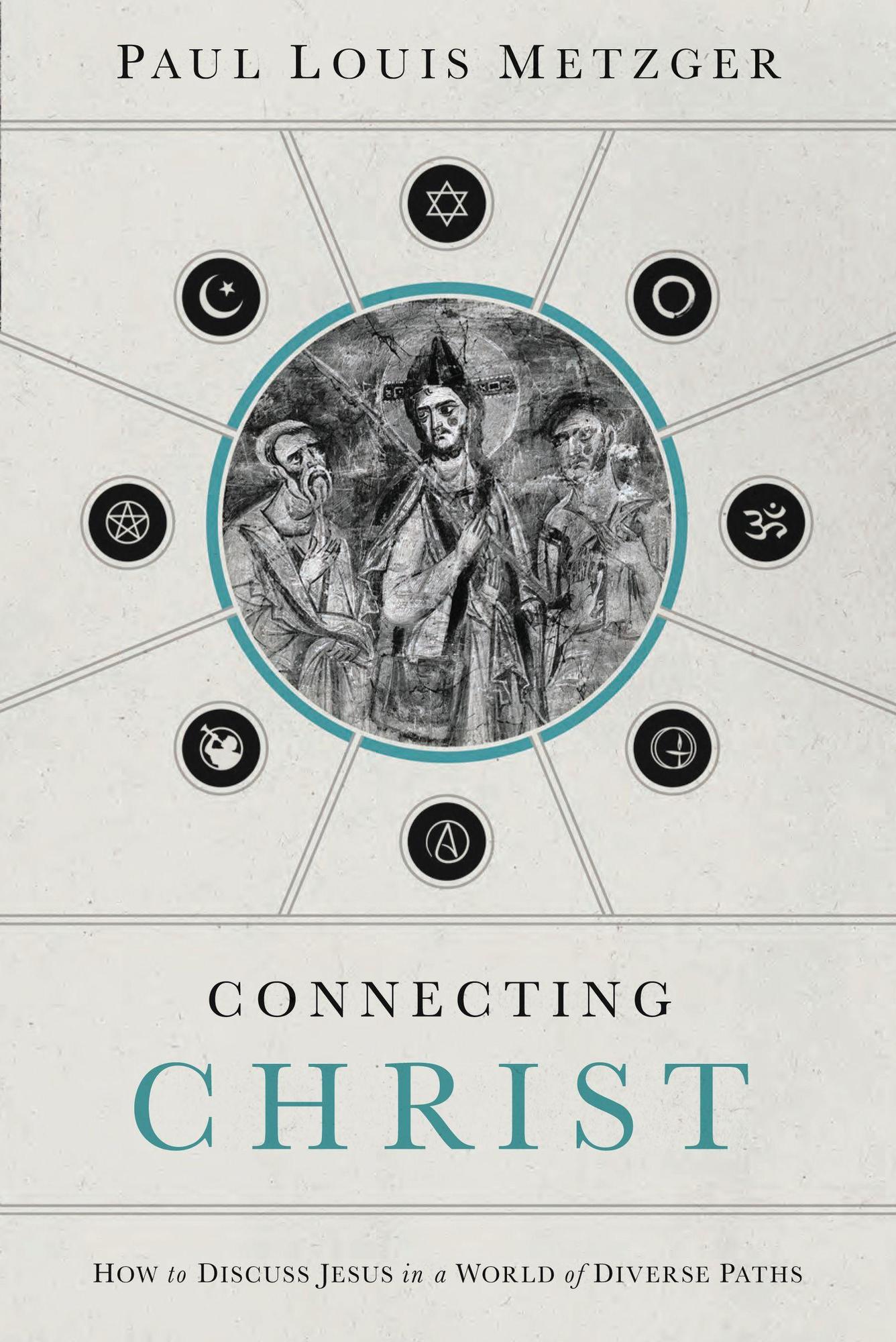
We live in a multifaith society: an ever-growing, diverse cultural climate, where no religion is viewed as having a monopoly on truth. It is important when that Christ-followers not only share the Word of God but also listen and learn how to interact meaningfully with those of diverse perspectives as we engage in life’s most important conversations.
Connecting Christ encourages believers to be not only better communicators and witnesses but also listeners to people of other worldviews and traditions—skills that are crucial in defending against today’s negative connotations and ineffective approaches associated with Christian evangelism.
With extensive commentary from leaders of various walks of faith and life — from Judaism to Islam and Buddhism to atheism —theologian and author Dr. Paul Louis Metzger offers a spiritual compass to help navigate the intimidating yet critical dialogue of conveying our faith in Christ. Filled with practical guidance and insight into controversial topics, such as hell, fascism, and homosexuality, Connecting Christ reveals that there is a way of evangelizing that is neither disengaging monologue nor silent, lifestyle ministry but is, instead, an approach for evangelism and dialogue to go hand-in-hand.
We must remove ourselves as the stumbling block to salvation for others and embrace a way to proclaim the uncommon, compassionate God revealed in Jesus Christ—the Savior this world is dying to know.
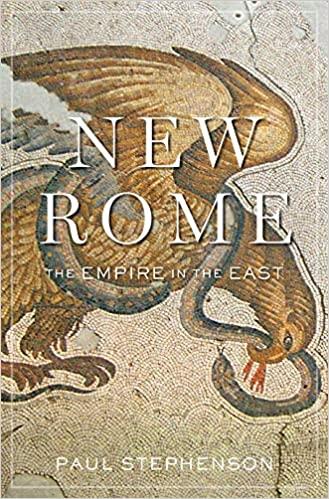
A comprehensive new history of the Eastern Roman Empire based on the science of the human past.
As modern empires rise and fall, ancient Rome becomes ever more significant. We yearn for Rome’s power but fear Rome’s ruin?will we turn out like the Romans, we wonder, or can we escape their fate? That question has obsessed centuries of historians and leaders, who have explored diverse political, religious, and economic forces to explain Roman decline. Yet the decisive factor remains elusive.
In New Rome, Paul Stephenson looks beyond traditional texts and well-known artifacts to offer a novel, scientifically minded interpretation of antiquity’s end. It turns out that the descent of Rome is inscribed not only in parchments but also in ice cores and DNA. From these and other sources, we learn that pollution and pandemics influenced the fate of Constantinople and the Eastern Roman Empire. During its final five centuries, the empire in the east survived devastation by natural disasters, the degradation of the human environment, and pathogens previously unknown to the empire’s densely populated, unsanitary cities. Despite the Plague of Justinian, regular “barbarian” invasions, a war with Persia, and the rise of Islam, the empire endured as a political entity. However, Greco-Roman civilization, a world of interconnected cities that had shared a common material culture for a millennium, did not.
Politics, war, and religious strife drove the transformation of Eastern Rome, but they do not tell the whole story. Braiding the political history of the empire together with its urban, material, environmental, and epidemiological history, New Rome offers the most comprehensive explanation to date of the Eastern Empire’s transformation into Byzantium.
464 pages
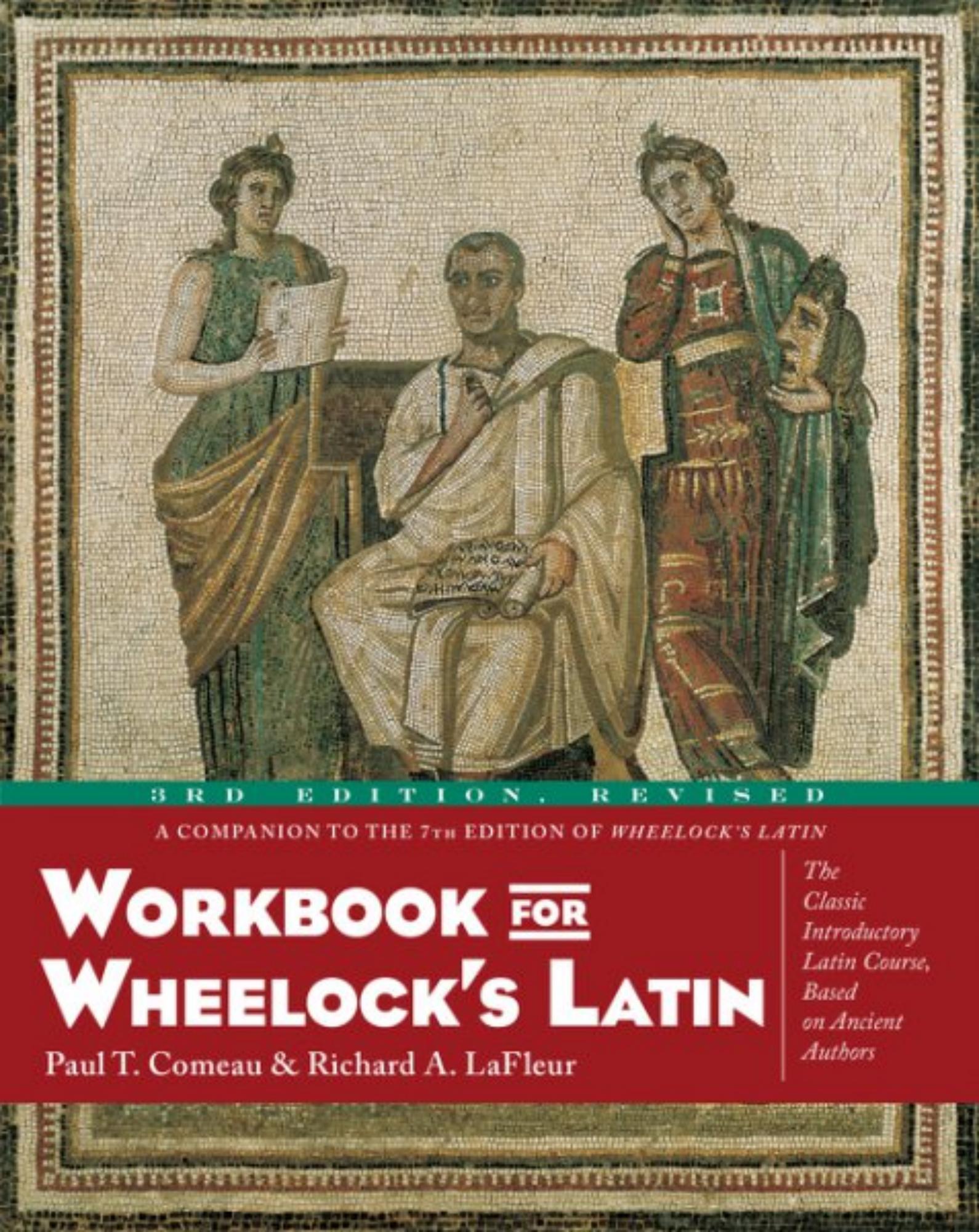
WHEELOCK'S LATIN: AUDIO FILES
When Professor Frederic M. Wheelock's Latin first appeared in 1956, the reviews extolled its thoroughness, organization, and conciseness; at least one reviewer predicted that the book "might well become the standard text" for introducing students to elementary Latin. Now, five decades later, that prediction has certainly proved accurate.
Workbook for Wheelock's Latin is an essential companion to the classic introductory textbook. Designed to supplement the course of study in Wheelock's Latin, 6th Edition, Revised, each of the forty chapters in this newly updated edition features:
Transformation drills, word and phrase translations, and other exercises to test and sharpen the student's skills
"Word Power" sections that focus on vocabulary and derivatives
Reading comprehension questions and sentences for translation practice
Perforated pages for hand-in homework assignments and space for the student's name and date
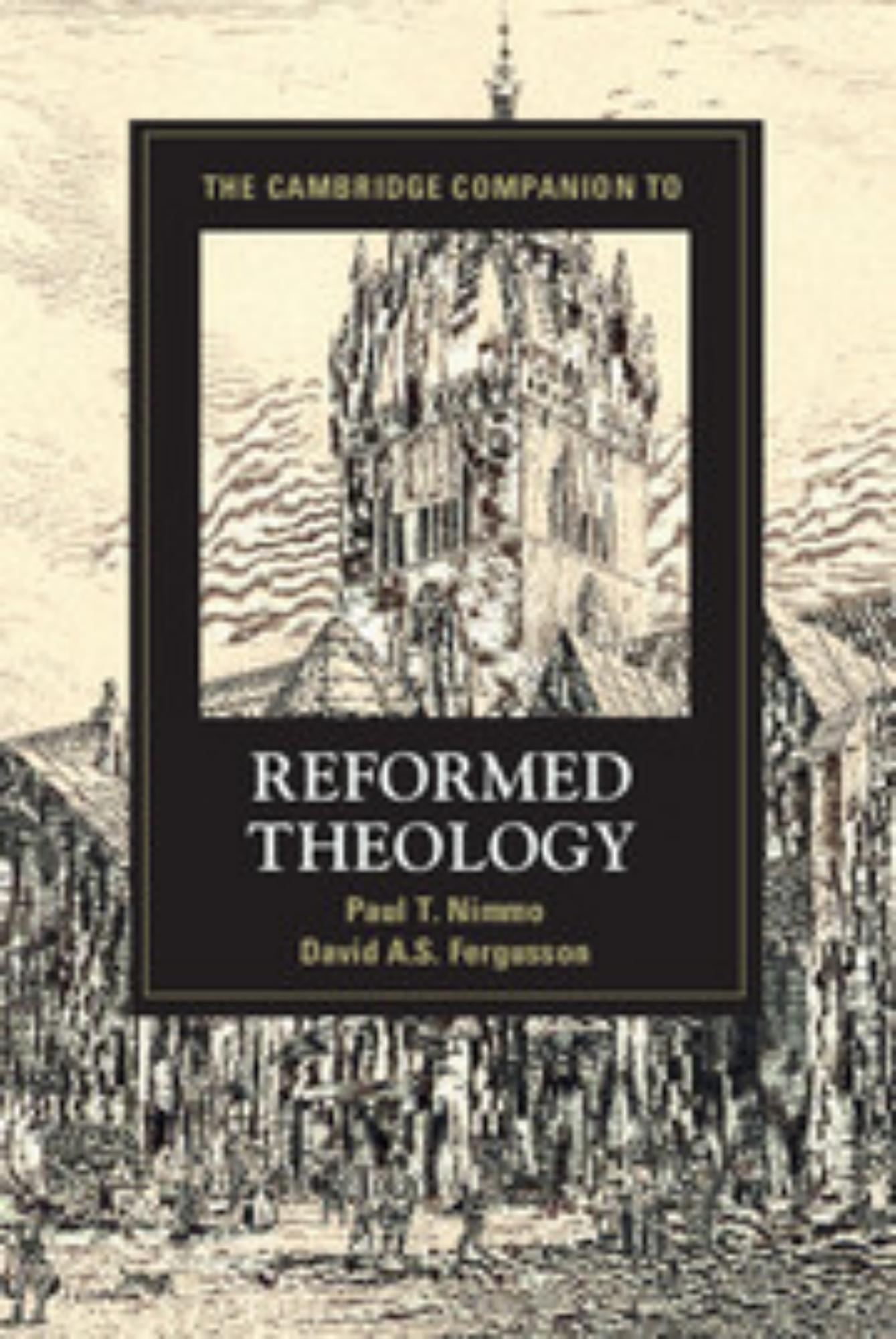
This volume provides an authoritative and detailed introduction to the doctrinal positions, central figures, and historic contexts of Reformed theology.
Insights from Philip Yancey's personal pilgrimage away from and back to the church.
Why are there so many more professing Christians than churchgoing Christians? Is it because something is wrong with the church?
In his candid, thought-provoking manner, award-winning author Philip Yancey reveals the reasons behind his own journey back from skepticism to wholehearted participation in the church, and weighs the church's human failings against its compelling worth as the body of Christ. Yancey does not whitewash the church's faults, rather he sets them against the overwhelming balance of its strengths: its heart for God, its care for the hurting, its outreach to the lost, and its value as family and community.
In his most powerful book since "What's so Amazing about Grace?," Philip Yancey explores the intimate place where God and humans meet.
OVER ONE MILLION COPIES SOLD!
Discover grace as you've never known it before: the most powerful force in the universe and our only hope for love and forgiveness.
Grace is the church's great distinctive. It's the one thing the world cannot duplicate, and the one thing it craves above all else--for only grace can bring hope and transformation to a jaded world.
In What's So Amazing About Grace? award-winning author Philip Yancey explores grace at street level. If grace is God's love for the undeserving, he asks, then what does it look like in action? And if Christians are its sole dispensers, then how are we doing at lavishing grace on a world that knows far more of cruelty and unforgiveness than it does of mercy?
Yancey sets grace in the midst of life's stark images, tests its mettle against horrific "ungrace":
Can grace survive in the midst of such atrocities as the Nazi holocaust?
Can it triumph over the brutality of the Ku Klux Klan?
Should any grace at all be shown to the likes of Jeffrey Dahmer, who killed and cannibalized seventeen young men?
Grace does not excuse sin, says Yancey, but it treasures the sinner. True grace is shocking, scandalous. It shakes our conventions with its insistence on getting close to sinners and touching them with mercy and hope. It forgives the unfaithful spouse, the racist, the child abuser. It loves today's AIDS-ridden addict as much as the tax collector of Jesus's day.
In his most personal and provocative book ever, Yancey offers compelling, true portraits of grace's life-changing power. He searches for its presence in his own life and in the church. He asks, How can Christians contend graciously with moral issues that threaten all they hold dear?
And he challenges us to become living answers to a world that desperately wants to know, What's So Amazing About Grace?
304 pages
Who are we . . . really? As depression, addiction, and suicide become more commonplace in today’s culture, it seems we have lost sight of who we actually are. Like a whale on a beach, too many of us are finding ourselves breathing shallow, feeling stranded, and alone.
The truth is we can cut free from the things that hold us back if we can catch a clear vision of the true character of God. And, like a mighty redwood tree, we can choose to live healthy lives filled with purpose, rising confidently above the chaos.
As we choose to align our hearts and minds with the truth, we will discover that maybe God isn’t exactly who we thought He was -- maybe life with Him is a whole lot bigger and more exciting than we ever imagined.
Redwoods and Whales will give you the tools you need to help push aside the things that entangle, and grab hold of the life you were born to live.
In this sensitive and probing book, Matthew Ichihashi Potts explores the complex moral terrain of forgiveness, which he claims has too often served as a salve to the conscience of power rather than as an instrument of healing or justice. Though forgiveness is often linked with reconciliation or the abatement of anger, Potts resists these associations, asserting instead that forgiveness is simply the refusal of retaliatory violence through practices of penitence and grief. It is an act of mourning irrevocable wrong, of refusing the false promises of violent redemption, and of living in and with the losses we cannot recover.
Drawing on novels by Kazuo Ishiguro, Marilynne Robinson, Louise Erdrich, and Toni Morrison, and on texts from the early Christian to the postmodern era, Potts diagnoses the real dangers of forgiveness yet insists upon its enduring promise. Sensitive to the twenty-first-century realities of economic inequality, colonial devastation, and racial strife, and considering the role of forgiveness in the New Testament, the Christian tradition, philosophy, and contemporary literature, this book heralds the arrival of a new and creative theological voice.
380 pages
Do you feel that the ability to hear God's voice is for other people and not for you? Is it only for people who lived in Biblical times?
Not at all! The God who loved you enough to die for you loves you enough to talk to you. And wherever you are in your spiritual walk, God will find a way to speak to you in a way you will understand.
Become acquainted with the Voice that has spoken from a fire and a cloud, with visible signs and an invisible Spirit, through a burning bush and burning hearts. Hear from some of the most well known Christians in history about how God speaks to them, and discover for yourself how you can discern the voice of God.
One of Priscilla’s bestselling titles, Discerning the Voice of God is now completely revised with updated content and reflection questions. Each section contains insights that will aid you in your desire to hear Him speak. Discover the treasure of recognizing how God keeps in touch with his beloved people.
224 pages
How does God relate to the world? What difference does our understanding of God make for conceiving of God's relation to us? Christian theology has seen a flourishing of activity in response to these questions under a common doctrinal theme: Trinity. That said, proposals for understanding how God relates to the world through the Trinity of God's being--otherwise known as the relationship between the immanent and the economic Trinity--vary significantly. This book, reflecting on the work of four modern theologians--Dorner, Barth, Pannenberg, and Jenson--offers a set of constructive proposals on key issues relating to the God-world relation, including a way to understand divine immutability without denying God's living history with others and a trinitarian notion of divine sovereignty that demonstrates how God transcends history from within the structures of time. At each step along the way the author conveys how Trinity opens up a richer, more expansive conception of God's relation to us. This book shows how Trinity serves the practical work of theology as faith seeking understanding.
218 pages
Your marriage could be one of history’s great love stories! As newlyweds, it’s time to ensure that your marriage can meet the challenges it will face right around the corner. Cultivating good habits during these first twelve foundational months of your marriage and knowing what to focus on will set the stage for years to come. Robert and Bobbie and Mark and Susan know that there’s a big difference between preparation and actual experience. This is your guide to actually dealing with all the things that come after “I do.” In this unique flip-over format, the chapter topics are the same but one half is written by men for the husband, and the other half is written from a women’s perspective for the wife. As a couple, you’ll each progress through your part of the book and meet somewhere in the middle. Become an expert on what really makes your spouse happy, and enjoy the benefits of a great partnership. Take an honest look at the family you grew up in: its unwritten codes, how it has shaped you, and the ways it affects your relationship with your mate. Learn how to speak each other’s “language” and appreciate the qualities each of you brings to your marriage. You’ll also get an eye-opening look at communication skills, secrets for a great sex life, budget basics, dealing with in-laws, navigating tough times, and much more. Above all, you’ll cultivate a spiritual unity that draws the two of you closer to each other as you draw closer to God. Start reading, and make this first year together what it was meant to be: the most important year in your life.
320 pages
Most Christians already know that they should be telling their friends about Jesus. But they have been poorly equipped with methods that are no longer effective in today's post-Christian world. As a result, many people become frustrated, blame themselves, and simply give up. Evangelism in a Skeptical World is a textbook on evangelism that is ideal for the church or the classroom to equip Christians with the principles and skills they need to tell the unbelievable news about Jesus to friends in a skeptical world.
Many of the older principles and methods of evangelism in the twentieth century no longer work effectively today. In a post-Christian, post-churched, post-reached world we need new methods to communicate the timeless message of the gospel in culturally relevant ways. Dr. Chan combines the theological and biblical insights of classic evangelistic training with the latest insights from missiology on contextualization, cultural hermeneutics, and storytelling. Every chapter is illustrated with real-world examples drawn from over fifteen years of evangelistic ministry. These are methods that really work - with university students, urban workers, and professionals - getting past the defensive posture that people have toward Christianity so they can seriously consider the claims of Jesus Christ.
Field-tested and filled with unique, fresh, and creative insights, this book will equip you to share the gospel in today's world and help as many people as possible hear the good news about Jesus.
The early Christian Church and the men who were most influential during the formative years have a profound relevance to the contemporary structure of the Church. The Apostolic Fathers: A Translation and Commentary provides a modern translation and commentary on the writings of these men, indispensable source material for the student of Church history. This volume, one of six, includes a translation of and commentary on the Letter to the Philippians of Polycarp of Smyrna, The Martyrdom of Polycarp, and Fragments of Papias.
144 pages

Your Heart Is the Size of Your Fist draws readers into the complicated, poignant, and often-overlooked daily happenings of a busy urban medical clinic for refugees.
An Iraqi journalist whose son has been been murdered develops post-traumatic stress disorder and mourns his loss of vocation. A Congolese woman refuses antiretroviral treatment for her new HIV diagnosis, and instead places her trust in Jesus. Two conservative Muslim Iraqi women are inadvertently exposed to pornography when a doctor uses Google Images to supplement a medical discussion. By turns humorous, distressing, and moving, these stories offer insight into the people seeking a new life while navigating poverty, language barriers, and neighbours who aren’t always friendly.
This riveting collection of true stories from Dr. Martina Scholtens is filled with hope and humour, and together make up a deeply moving portrait of how one doctor attempts to provide quality care and advocacy for patients while remaining culturally sensitive, even as she wrestles with guilt, awareness of her own privilege, the faith she was raised with, and vicarious trauma after hearing countless stories of brutality and suffering.
In the spirit of Louise Aronson and Atul Gawande, Scholtens’ writing is based on her personal experiences and explores the transformative moments in which a clinical doctor-patient relationship becomes a profound human-human connection.
As Christians engage controversial cultural issues, we must remember that "all things hold together in Christ" (Col. 1:17)--even when it comes to science and faith. In this anthology, top Christian thinkers--including Robert Barron, Timothy George, Stanley Hauerwas, Alasdair MacIntyre, Mark Noll, and N. T. Wright--invite us to find resources for faithful, creative thinking in the riches of the church's theological heritage and its worship traditions.
When congregations go through difficult times, worship will both reflect and influence those difficulties. The practice of worship itself can be a key part of the congregation's healing process. Teacher and consultant Kathleen Smith successfully demonstrates this truth in Stilling the Storm, a book for anyone seeking a deeper understanding of the ways that worship intertwines with the life and health of a congregations. There are three main types of difficulty congregations can face: times of crisis, transition, and conflict. Smith considers their differences, similarities, and implications for worship, and explains the congregational dynamics that accompany such times and the roles that leaders play. She reviews basic principles of worship and the ways that unique moments and regular habits of worship shape the congregation. For each type of difficulty she suggests important themes for congregations and their worship planners. Smith explores the wide range of liturgical resources available for congregations going through difficult times and how those resources can best be shaped to fit the specific situation they are experiencing. A perceptive guide to the worship we offer to God in all times and situation, Stilling the Storm is an important resource for all congregations of all worship traditions.
St. Basil was a towering figure in the fourth-century Church. In the midst of great controversy, he led the charge of those faithful to the doctrine proclaimed at Nicaea. For the bishop of Caesarea, the array of false teachings that plagued the Church was not merely a matter of conflicting opinions or interpretations. It was rather a result of the moral failure of so-called leaders of the Church to look first to the will of God revealed in Scripture as their compass in all things-in matters of both theology and personal conduct.
Here St. Basil lays out a consistent theological ethic, rooted in a nuanced appreciation for the supremacy of Scripture. These texts, presented with the Greek on the facing page, are essential reading for anyone interested in early Christian approaches to ethics as well as the right use and interpretation of the Bible.
338 pages
From Steve and Jackie Green, founders and curators of the Museum of the Bible--a fascinating exploration of the history, authenticity, and power of the Bible, the book that has changed people and nations throughout the centuries.
It is the top selling book in history. It brings social upheaval, international arguments, and political controversy. It has been used to justify both love and war. And for generations, it has found its way into the hearts of millions, offering comfort, direction, and life-changing truths.
How could one book have such power? In This Dangerous Book, Steve and Jackie Green explore the incredible history and impact of the Bible. As the founders and visionaries of the Museum of the Bible in Washington D.C., the Greens have a unique perspective on the Bible's journey--from its ancient beginnings, to its effect on the moral fiber of nations, to its transformative influence in individual hearts.
The Greens share the challenges they have faced in acquiring biblical artifacts from around the world and why generations--in every time period and in every geographical location--have risked their lives to preserve this precious book.
Exploring ancient tablets, medieval commentaries, and modern translations, This Dangerous Book offers fascinating insight into the miracles and martyrdoms that have led to the Scriptures we read today. The Greens explore how cutting-edge technology gives new insight into the authenticity of the Bible, including the work of fifty scholars who recently uncovered hidden details about thirteen unpublished Dead Sea Scroll fragments. This Dangerous Book also looks at the link between the Hebrew Bible and the New Testament, what we can learn from how the Bible was passed down to us, and why God's Word is foundational to America's past and crucial for its future.
The Bible is a world-changer and a heart-changer. Whether you have read the Bible for years or are simply curious about its influence, This Dangerous Book could change your heart as well.
On Morals or Concerning Education is an exhortation on the importance of education by the prolific late-Byzantine author and statesman Theodore Metochites (1270–1332), who rose to the aristocracy from a middle-class background but fell from favor late in life and died as a monk. As a manual of proper living and ethical guidance, the treatise offers unique insights into the heightened roles of philosophy and rhetoric at a time when the elite engaged intensely with their Hellenic heritage, part of a larger imperial attempt to restore Byzantium to its former glories.
On Morals probes hotly disputed issues in fourteenth-century Byzantine society, such as the distinction between the active and contemplative life and the social position of scholars. Metochites’s focus on the character and function of Christian faith also reflects ongoing debates regarding the philosophy of religion. Occasional autobiographical digressions offer fascinating glimpses of Metochites’s distinctive personality.
This volume provides the full Byzantine Greek text alongside the first English translation of one of Metochites’s longest works.
320 pages
I am delighted to commend Tim Chester's Bible Matters, the latest addition to the Keswick Foundations series. I've been encouraged and taught by it as I've read it. I appreciated the comprehensive yet accessible coverage, the merging of the historical, theological, personal, and applied, the turns of phrase, the clarity, and the imagery. The most striking insight for me is that the Bible is 'weird' and not the kind of book that we would write because its purpose is not simply to give information about God but to develop our relationship with God. But there are many more [such insights]. Buy, read, recommend, lend, give away!
--James Robson, ministry director, Keswick Ministries
In Bible Matters, Tim Chester has simply and powerfully explained the brilliance and necessity of the Bible. I was reminded and refreshed of why it is so important for the Jesus follower to be immersed in the Bible. Bible Matters is accessible for both the new Christian and the seasoned believer--it left me desiring to know God more and to be in the Scriptures daily!
--Brian Howard, chairman of the board, Acts 29
192 pages
"As go marriages so go families and as go families so go communities, states, and nations. For many years the Adversary has stepped up his attack on marriages and families. He doesn't mind the okay, so-so, mediocre marriages where Christ is, at best, on the periphery and making no real difference in the couples' lives. But once a couple refuses to settle for a fifth-rate relationship and decides to pursue a Christ-centered marriage, to learn how to look and live and love like our Lord, the attacks of the Adversary can feel overwhelming. Tim has given us a unique, biblically based, relevant handbook for not just protecting our marriage but in the process actually deepening and strengthening our love relationship with God and with each other. This practical and long-overdue resource will help you become 'more than conquerors' and experience the quality of marriage that God has designed for those who love him. It's a book you'll read more than once."--Gary J. Oliver, executive director of the Center for Healthy Relationships, professor of psychology and practical theology at John Brown University
176 pages
Today many pastors are struggling to adapt to a post-Christian culture without abandoning orthodox theology. How do we communicate the concepts of grace and substitutionary atonement in our globalized culture and context?
In Center Church, Timothy Keller offers challenging insights and provocative questions based on over twenty years of ministry in New York City. This book outlines a theological vision for ministry - applying classic doctrines to our time and place - organized around three core commitments: • Gospel-centered: The gospel of grace in Jesus Christ changes everything, from our hearts to our community to the world. It completely reshapes the content, tone and strategy of all that we do. • City-centered: With a positive approach toward our culture, we learn to affirm that cities are wonderful, strategic and underserved places for gospel ministry. • Movement-centered: Instead of building our own tribe, we seek the prosperity and peace of our community as we are led by the Holy Spirit.
"In this important book, Tim Keller unpacks the gospel and gently but firmly reminds us that it is nonnegotiable. At the same time, he enables us to think through how we can responsibly interact with the culture, how we can - indeed, must - appreciate good things within it, and how we can firmly and faithfully apply the gospel to it." - D.A. Carson, research professor of New Testament, Trinity Evangelical Divinity School
400 pages
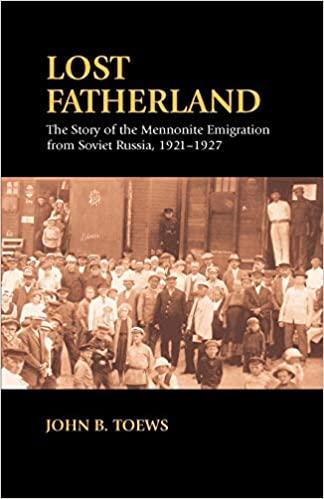
This book portrays one of the most dramatic episodes in recent Mennonite history. Set against the background of the early Soviet era in Russia, it narrates the story of a small religious and ethnic group caught in the tenacious grasp of political upheaval
264 pages
Life crises can throw you into a tail-spin-a lost job, a failed relationship, a struggling business, a financial mess. Where do you start? How do you pull it together? How do you begin again?
Tom Holladay experienced a catastrophe first-hand when a sudden flood in California destroyed his home, his church, and the homes of many church members. Tom and his congregation had to rebuild, and they used the principles in the book of Nehemiah to get back on their feet.
Now a teaching pastor at Saddleback Church, Tom will help you discover seven principles for putting it together again that will give you the direction you need to get rolling on that fresh start. Holladay will walk you through seeing every problem as an opportunity, facing the obstacles head on and taking your first step, knowing how to expect and reject opposition, build on your success, and dedicating yourself to the One who rebuilds our souls.
The task of starting again can seem impossible. And sometimes you just need to rebuild your confidence and regain a sense of purpose. If you're trying to find the emotional energy, but you just don't have it in you, let Holladay encourage you. He understands how difficult and rewarding the business of rebuilding is. This book is your encouraging how-to guide to starting again and stepping into a better future.
Award-winning author Paul David Tripp instructs believers to view digital media and technology through the lens of the gospel and points them toward a biblical framework for communication.
176 pages
Thirty-one daily readings from Paul David Tripp equip us to do the one thing that matters most each December?celebrating the glory of the incarnation of God's Son.
Understand salvation in both the Old and New Testaments.
God Is a Warrior traces the development of the "divine warrior" motif through the Old and New Testaments, beginning with Israel's conflicts with her enemies and ending with Christ's victorious return in Revelation. Against the broader background of Ancient Near Eastern warrior mythology, Part I discusses Yahweh's warfare on behalf of ancient Israel, and prophecies of the coming Divine Deliverer. Part II looks at the New Testament's Divine Warrior, Jesus Christ, and his war against his spiritual enemies in the Synoptic Gospels, in Paul's letters, and in the final apocalyptic battle in the book of Revelation.
224 pages
What is phenomenology? That is precisely the question this book seeks to answer. In an age of information overload, complex topics must be simplified to make them accessible to a wider audience. Phenomenology: A Basic Introduction in the Light of Jesus Christ not only presents the basic building blocks of phenomenology, it also gives body to voice by putting abstract ideas in contact with the Word made flesh, Jesus of Nazareth. In five manageable chapters, Donald Wallenfang introduces major themes such as the natural attitude, givenness, interpretation, paradox, and ethics. Each subject is considered in how it applies to daily life and relates to the gospel of Jesus Christ. Several biblical scenes are tapped to harvest their sweet nectars of meaning through phenomenology. At its limit, philosophy gives way to the revelatory rationality of theology as expressed by Jesus the phenomenologist.
148 pages
On the fiftieth anniversary of his death, C. S. Lewis was memorialized in Poets' Corner, Westminster Abbey, taking his place beside the greatest names in English literature. Oxford and Cambridge Universities, where Lewis taught, also held commemorations. This volume gathers together addresses from those events. Rowan Williams and Alister McGrath assess Lewis's legacy in theology, Malcolm Guite addresses his integration of reason and imagination, William Lane Craig takes a philosophical perspective, while Lewis's successor as Professor of Medieval and Renaissance English, Helen Cooper, considers him as a critic. The collection also includes more personal and creative responses: Walter Hooper, Lewis biographer, recalls their first meeting; there are poems, essays, a panel discussion, and even a report by the famous "Mystery Worshipper" from the Ship of Fools website, along with a moving reflection by royal wedding composer Paul Mealor about how he set one of Lewis's poems to music. Containing theology, literary criticism, poetry, memoir, and much else besides, this volume reflects the breadth of Lewis's interests and the astonishing variety of his own output: a diverse and colorful commemoration of an extraordinary man.
Once a week Darla Weaver bundles her children into the buggy, hitches up her spirited mare, and drives six miles to the farm where she grew up. There she gathers with her four sisters and their children for a day with their mother. In Gathering of Sisters, Weaver writes about her horse-and-buggy Mennonite family and the weekly women's gatherings that keep them connected. On warm days, the children play and fish and build houses of hay in the barn. In the winter, everyone stays close to the woodstove, with puzzles and games and crocheting. No matter the weather, the Tuesday get-togethers of this Old Order Mennonite family keep them grounded and centered in their love for God and for each other, even when raising an occasional loving but knowing eyebrow at each other.
The rest of the week is full of laundry, and errands, and work that never ends. But Tuesday is about being sisters, daughters, and mothers.
Hear straight from Amish and Mennonite people themselves as they write about their daily lives and deeply rooted faith in the Plainspoken series from Herald Press. Each book includes A Day in the Life of the Author and the author's answers to FAQs about the Amish and Mennonites.
272 pages
Emerging from the thought-provoking discussions and correspondence Simone Weil had with the Reverend Father Perrin, this classic collection of essays contains the renowned philosopher and social activist's most profound meditations on the relationship of human life to the realm of the transcendent. An enduring masterwork and "one of the most neglected resources of our century" (Adrienne Rich), Waiting for God will continue to influence spiritual and political thought for centuries to come.
208 pages
The Apostolic Fathers are generally assigned by historians of ancient Christianity to a narrow collection of non-canonical Christian texts that date within the first and second centuries AD. This brief collection includes the letters of Clement of Rome, Ignatius of Antioch, Polycarp To the Philippians and The Martyrdom of Polycarp, the Didache, Epistle of Barnabas, the Shepherd of Hermas, Diognetus, Fragments of Papias, and the fragment of Quadratus. The goal of the APOSTOLIC FATHERS GREEK READER (AFGR) is to assist readers of ancient Christian literature. Each volume will provide unique and unfamiliar vocabulary for beginning students of the Greek language: words appearing 30 times or less in the Greek NT. The AFGR is a Tier 4 Resource within the AGROS (Accessible Greek Resources and Online Studies) curriculum suite produced by GlossaHouse.
631 pages
This book by the best-selling author of Women of the Word explores ten attributes of God that Christians are called to reflect, helping readers discover freedom and purpose in becoming all that God made them to be.
176 pages
Can we afford to chase beauty in a world that emphasizes distraction and naked ambition over a lifestyle of wonder and spiritual restfulness?
The everyday road of life is littered with the pains of growing up, loving and failing to love, of peace and discord. What is God saying through all the muck of life? God speaks to us through beauty. But to hear his words, we must slow down and listen with our hearts.
What would happen if we slowed down and looked at the world and our lives with new eyes? The Beauty Chasers shows us a secret passageway that leads beyond the utility mindset that banished beauty from our hearts. Author Tim Willard gives us a guidebook for discovering how to see the world with fresh eyes and let beauty guide us in life and our relationship with God.
The Beauty Chasers will...
inspire you to live life as a participant instead of a spectator.
guide you toward a life of presence rather than distraction.
give you permission to slow down and drink from the well of spiritual rest.
refresh your perspective on the "wonder-full" ways of God. help you live like beauty matters.
Are you ready to live life to a different cadence? Do you find yourself longing to recapture the wonder in your spiritual journey? Are you willing to walk the path less traveled? If so, then read on, friend.
304 pages
Almost sixty years ago, the Mennonite missionary team working in the Argentine Chaco decided to look for ways to be effective in their ministry while being faithful to Jesus' lifestyle and teaching. They left behind paternalistic models and "conquering" methods and were liberated from the mindset of forming a denominational church. As a result, they found an alternative missionary style of walking alongside those they worked with, giving priority to the integrity of the local people. "Mission Without Conquest" is a historical narrative of how the Toba Qom people of the Argentine Chaco followed Jesus' way from the time of their conversion until the formation of an autochthonous church. This book embodies a new way to approach the church's missionary task - a way that makes the mission of Jesus Christ the paradigm for Christian mission until his return.
280 pages
Witherington provides a much-needed introduction to the ancient art of persuasion and its use within the various New Testament documents. More than just an exploration of the use of the ancient rhetorical tools and devices, this guide introduces the reader to all that went into convincing an audience about some subject. Witherington makes the case that rhetorical criticism is a more fruitful approach to the NT epistles than the oft-employed approaches of literary and discourse criticism. Familiarity with the art of rhetoric also helps the reader explore non-epistolary genres. In addition to the general introduction to rhetorical criticism, the book guides readers through the many and varied uses of rhetoric in most NT documents-not only telling readers about rhetoric in the NT, but showing them the way it was employed."This brief guide book is intended to provide the reader with an entrance into understanding the rhetorical analysis of various parts of the NT, the value such studies bring for understanding what is being proclaimed and defended in the NT, and how Christ is presented in ways that would be considered persuasive in antiquity." - from the introduction
284 pages
In God is Red, Chinese dissident journalist and poet Liao Yiwu—once lauded, later imprisoned, and now celebrated author of For a Song and a Hundred Songs and The Corpse Walker—profiles the extraordinary lives of dozens of Chinese Christians, providing a rare glimpse into the underground world of belief that is taking hold within the officially atheistic state of Communist China. Liao felt a kinship with Chinese Christians in their unwavering commitment to the freedom of expression and to finding meaning in a tumultuous society, even though he is not a Christian himself. This is a fascinating tale of otherwise unknown personalities thriving against all odds.
If anyone had good reason to join the league of the “Nones,” the “Dones,” and the deconstructionists, it would be Zach Hoag. After growing up and out of the compound walls of a Texas cult, and becoming a failed church planter in one of the most post-Christian cities in America, Zach was faced with both a crisis and a choice. He loved Jesus, yet questioned: If the church is such a broken system, is it really worth belonging to anymore?
The viral upswing of the “spiritual but not religious” trend has cast religion as going rapidly out of style. Yet even in his own desert of deconstruction, Zach couldn’t shake his desire for a spiritual home. His search ultimately led him to look behind the statistics, where Zach found an astonishing undercurrent subversively at work.
The truth, as Zach discovered, is that we are in a cultural moment of apocalypse. Not an end-of-the-world apocalypse, but in the very literal sense of the word which translates simply, “a revealing.” Perhaps the downtrend of Christian faith in America is just the kind of Great Revealing we need to show us who we really are as American Christians, who Jesus really is in our midst, and how we can step into the flourishing faith he has always intended for us.
For anyone who is anxious about the future of the church and their place in it, The Light Is Winning rallies to an unexpected, unshakeable hope: Could it be that we’ve made religion out to be the culprit when in fact, religion is just what we need to revive us? Could it be that our struggle for relevance must come to a necessary end, so that we can get to the real? After all, isn’t this the essence of the story of God: death paves the way for a resurrected, deeply rooted, flourishing faith. Such faith can be yours. The Light Is Winning will show you how.